
Tierra Verde, Florida
Fort De Soto Park
A wild Gulf Coast escape where wide beaches, historic batteries, mangrove trails, and family adventures meet.
The park feel
More Than a Beach Day
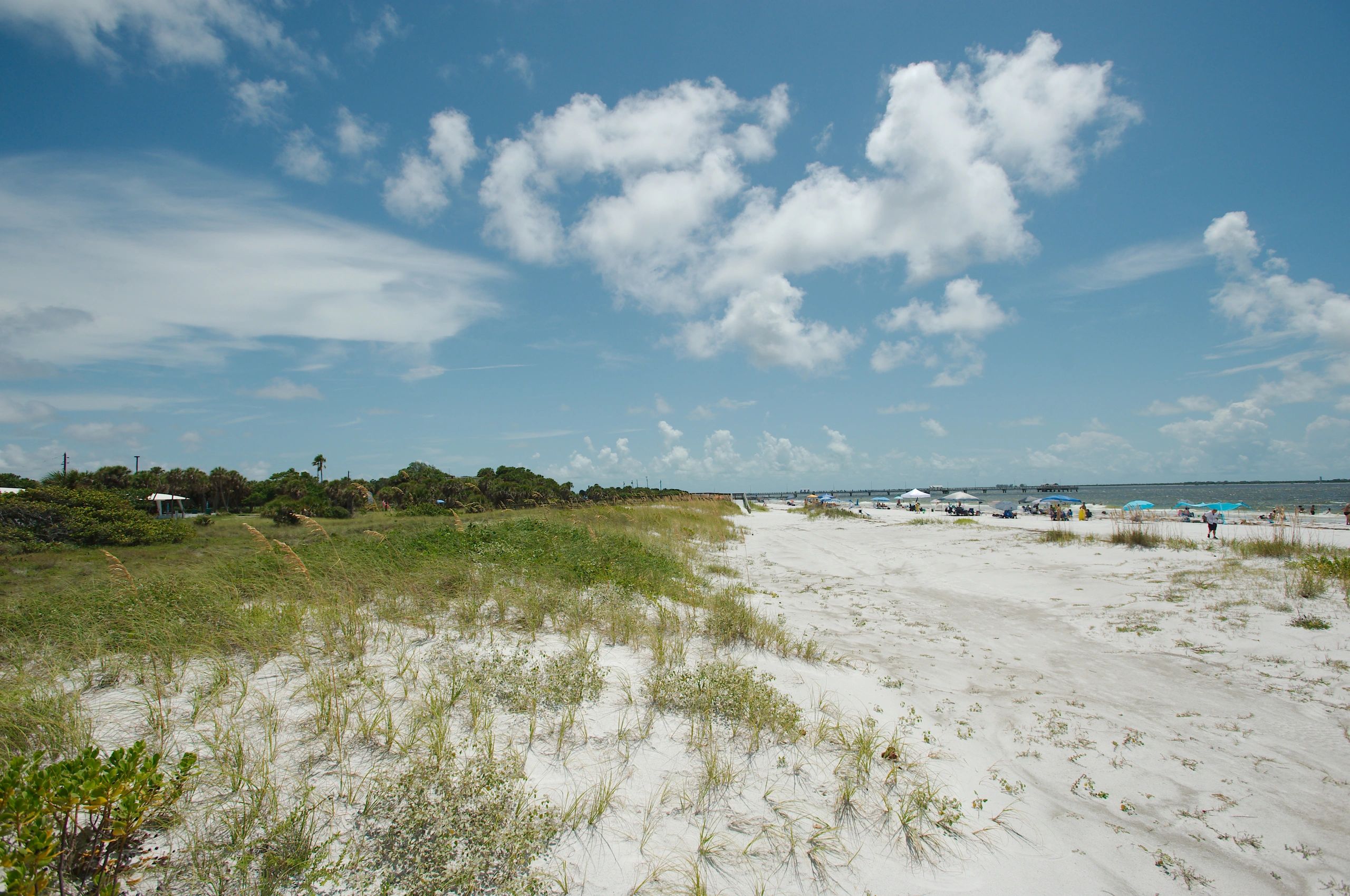
Fort De Soto Park sits at the southern tip of Pinellas County, reached by a scenic drive from Tierra Verde across a chain of connected islands. The park spreads across five keys and feels wonderfully different from a typical resort beach. Here, the horizon opens wide, sea oats move across the dunes, and the water is framed by tidal flats, mangroves, and the distant skyline of Tampa Bay.
Families come for soft sand, shallow wading areas, picnic spots, and room to roam. Nature lovers come for birds, paddling routes, fishing piers, and trails. History fans come to walk through the old fort and imagine the era when this strategic point guarded the entrance to Tampa Bay. It is an easy place to make a full day of it, whether your plan is swimming, cycling, shelling, or simply watching the light change over the Gulf.
A SHORT HISTORY
From Coastal Outpost to Park
Fort De Soto’s story connects Tampa Bay’s military past with a remarkable stretch of protected coast.
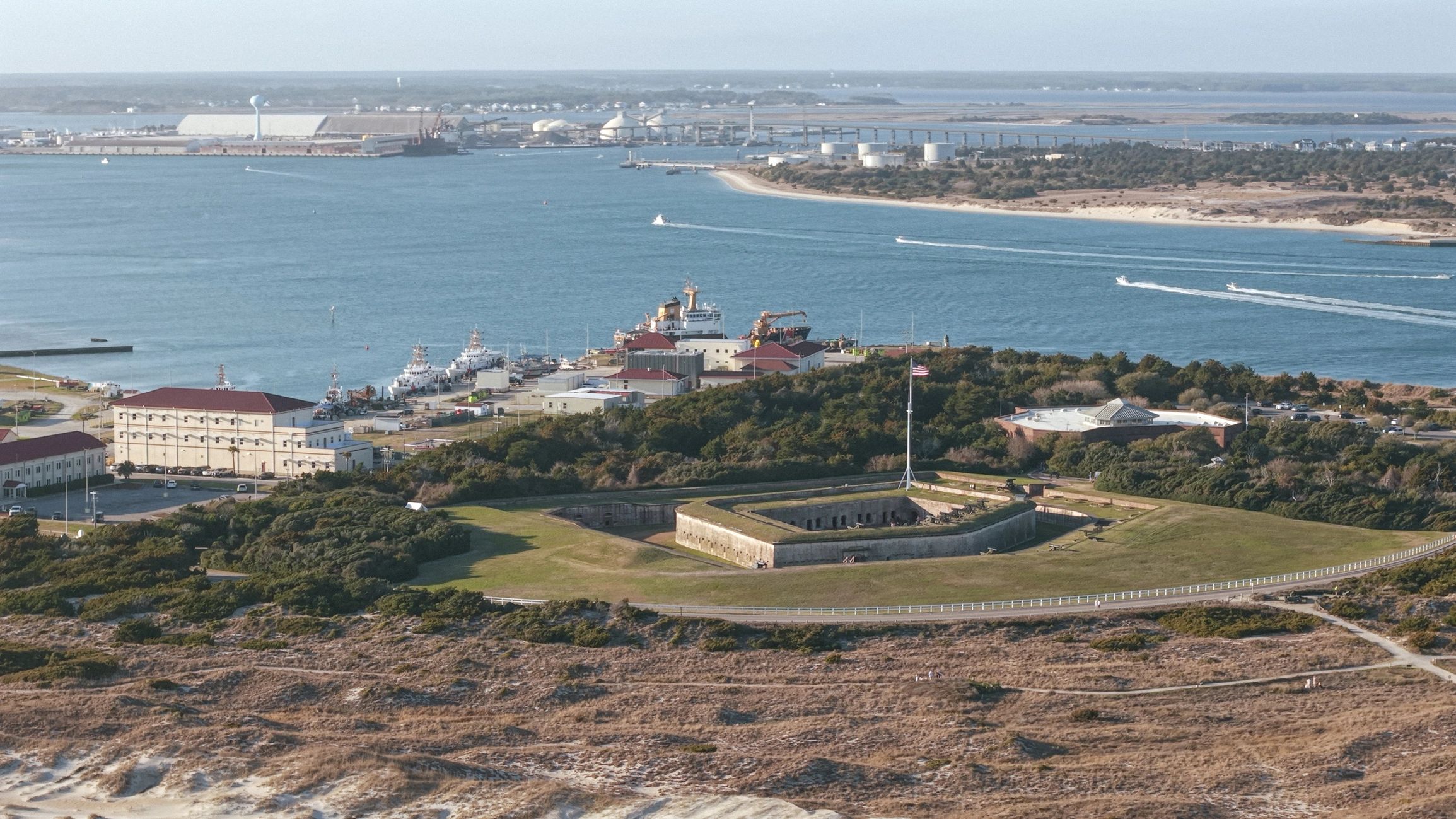
Long before the fort was built, these low-lying islands were shaped by wind, tides, and the meeting of Gulf and bay waters. Indigenous people used the region’s rich coastal resources for generations, and later mariners recognized the value of the deep-water approaches to Tampa Bay. By the late nineteenth century, the United States was strengthening coastal defenses after the Spanish-American War, and Mullet Key became an important location for protecting the bay’s entrance.
Construction of Fort De Soto began in 1898, and the post was named for Hernando de Soto, the Spanish explorer associated with the Tampa Bay area. The fort included concrete batteries, gun emplacements, a quartermaster storehouse, barracks, and support buildings. Its heavy artillery was intended to deter enemy ships from entering Tampa Bay. Although the fort never fired its guns in combat, its preserved structures offer a vivid look at the coastal-defense technology and military planning of the period.
Military use declined in the early twentieth century, and the site eventually became part of Pinellas County’s park system. The transformation from defensive outpost to public park protected a rare collection of beaches, wetlands, and island habitats while opening the area to visitors. Today, the old batteries and cannons remain a centerpiece, but the setting around them is just as compelling: palms, open lawns, fishing water, and broad views toward Egmont Key and the Gulf.
Take time to explore the fort on foot. Look for the brickwork, corridors, and gun platforms, then pause at the water’s edge to understand why this location mattered. The history is not tucked away in a distant museum; it is part of the landscape. A visit can move naturally from a morning at the beach to an afternoon of exploring the fort, making Fort De Soto one of the most rewarding history-and-nature stops on Florida’s Gulf Coast.
LOCAL FAVORITES
Build a Fort De Soto Day
Mix beach time, outdoor play, and a little history for an easy Gulf Coast outing.
North Beach
North Beach is the park’s classic postcard stop, with pale sand, gentle Gulf views, and room for a long shoreline walk. Conditions change with weather and tides, so choose a spot that feels comfortable for your group and keep an eye on the water. Early morning is especially peaceful for shelling, birdwatching, and finding a little extra space before the busiest hours.
Historic Fort
Walk the fort’s batteries, gun platforms, and former military buildings to add a memorable chapter to your beach day. The self-guided experience is easy to pair with a picnic or a stop at the nearby waterfront. Bring water and sun protection, because the open grounds can feel warm even when the bay breeze is strong.
Kayak and Paddle
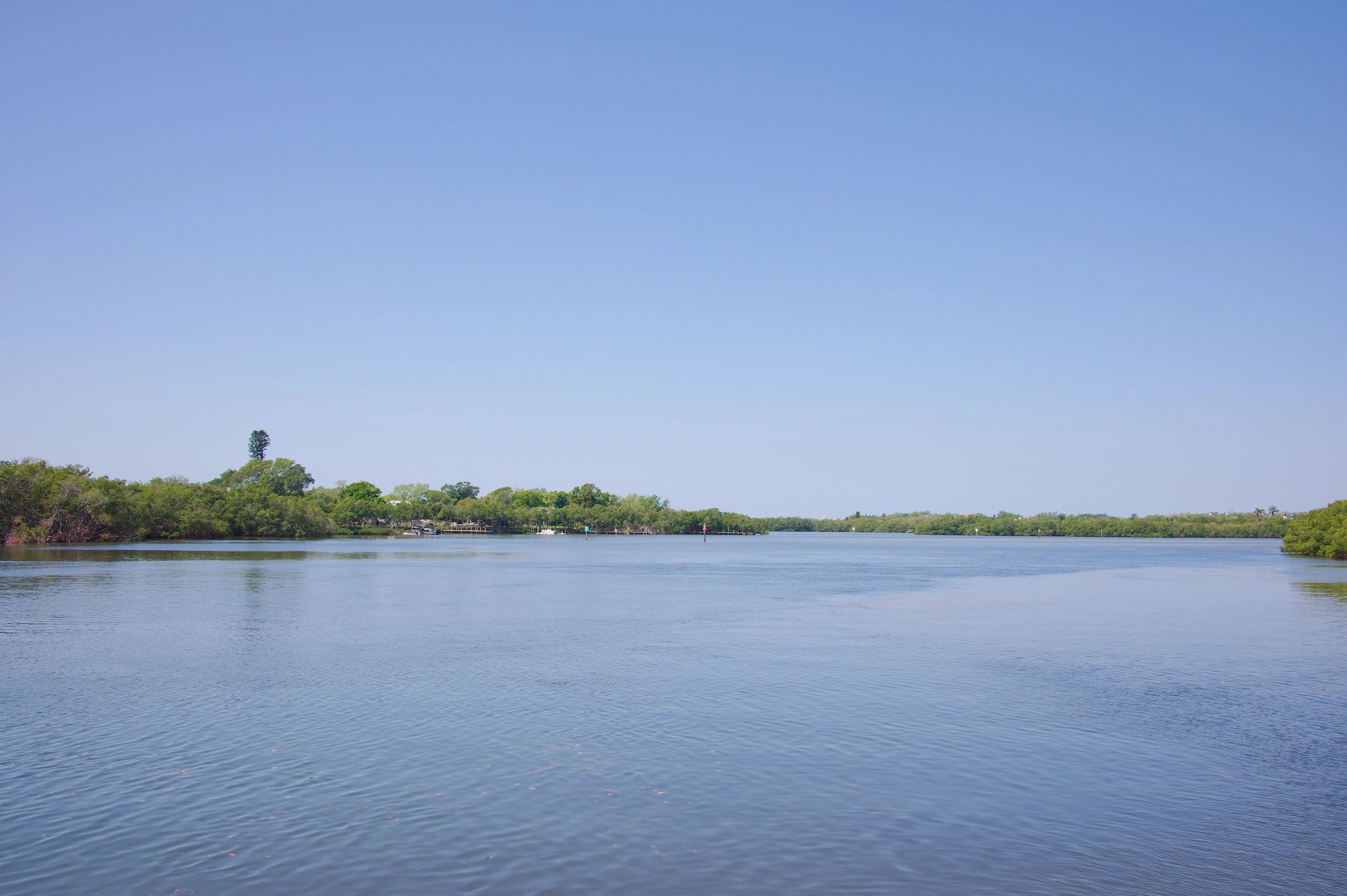
Protected waters and mangrove edges make paddling one of the park’s signature experiences. Rent equipment locally or bring your own, then choose a route suited to your skills and the day’s wind and tide. Quiet paddlers may spot wading birds, fish, rays, and other coastal wildlife. Always check conditions and wear a properly fitted personal flotation device.
Bike the Islands
The park’s paved roads and multi-use paths make cycling a fun way to see more than one beach area. A bike ride links the fort, picnic areas, overlooks, and trailheads while keeping the day active without feeling rushed. Families can set an easy pace, stop for photos, and return to the sand whenever the water calls.
Fishing and Wildlife
Anglers appreciate the park’s piers and shoreline access, while wildlife watchers find something to notice in every season. Scan the sky for pelicans, terns, ospreys, and migrating shorebirds. Keep a respectful distance from animals, never feed wildlife, and give nesting areas plenty of space. The best sightings often come when you slow down and listen.
Picnic and Play
Fort De Soto is built for a full family day. Pack lunch, use the picnic areas, and leave time for the playground and open lawns. The park also has a dedicated dog beach area, so travelers with four-legged family members can plan a stop that works for everyone. Follow posted rules and keep the coast clean for the next visitors.
ANNUAL HIGHLIGHTS
Events Worth Watching
Fort De Soto’s calendar is shaped by the seasons, wildlife, and the wider Tampa Bay outdoor community. Winter and spring are popular for guided bird walks, nature programs, and ranger-led history activities, when cooler temperatures make the trails and fort especially enjoyable. The park is also a favorite setting for organized rides, paddling meetups, fishing events, and volunteer shoreline cleanups. Dates, permits, and program details can change, so check Pinellas County Parks before making a special trip.
Birding is a major annual draw. Migration seasons bring changing species to the beaches, mudflats, and mangrove edges, and local birding groups often schedule outings around the best viewing windows. Spring and fall can be especially rewarding for visitors who bring binoculars and patience. Sea turtle nesting season also reminds everyone to keep beaches dark, clean, and respectful of marked areas. A simple walk at sunrise can become an unforgettable wildlife experience.
For a bigger regional outing, look for nearby Tampa Bay events that pair naturally with a Fort De Soto visit, from coastal festivals to outdoor recreation weekends. Build flexibility into your plan: arrive early for parking, carry water, and leave time for the fort or a sunset beach walk after the event. The park’s annual rhythm is less about one giant spectacle and more about repeatable Florida moments—migrating birds overhead, breezy rides between the keys, and families returning to the same stretch of sand year after year.
A Gulf Coast Classic
Fort De Soto Park makes it easy to choose your own kind of Florida day. You can spread out a towel on a wide beach, follow a trail through coastal habitat, paddle beside mangroves, explore a historic battery, or share a picnic with the people you brought along. Its mix of open space and easy access gives families, first-time visitors, and longtime locals plenty of reasons to return.
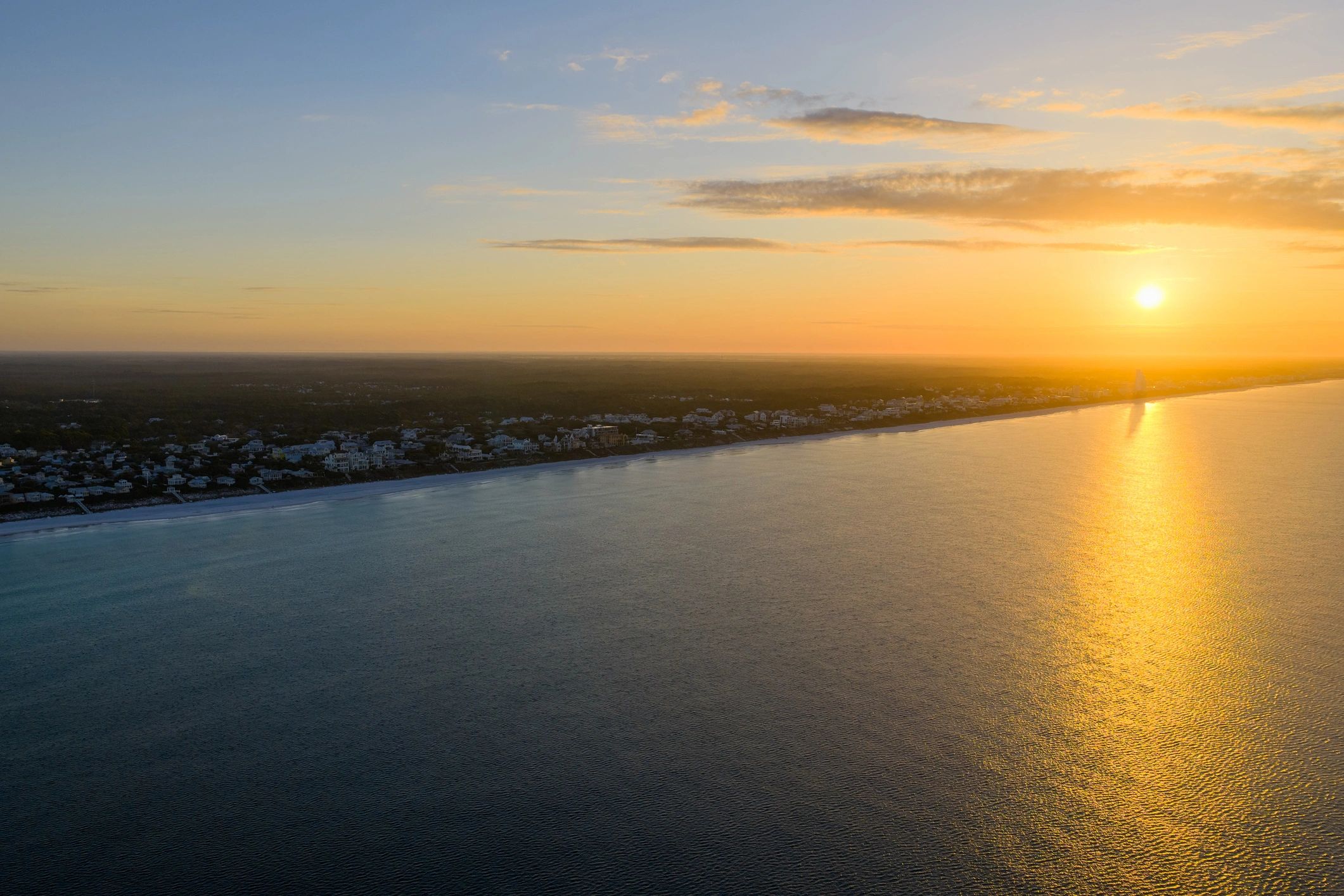
Come prepared for sun, changing weather, and a little adventure. Respect the water, follow posted guidance, and leave the dunes and wildlife as you found them. Then slow down for the moments that make this park special: a pelican gliding over the bay, a bicycle rolling beneath the palms, a cannon silhouette against the sky, and the last warm light settling over the Gulf.