
Northeast Florida
Amelia Island
A relaxed Atlantic escape where wide beaches, maritime forests, and centuries of coastal stories meet.
The island feel
A Beach With Depth
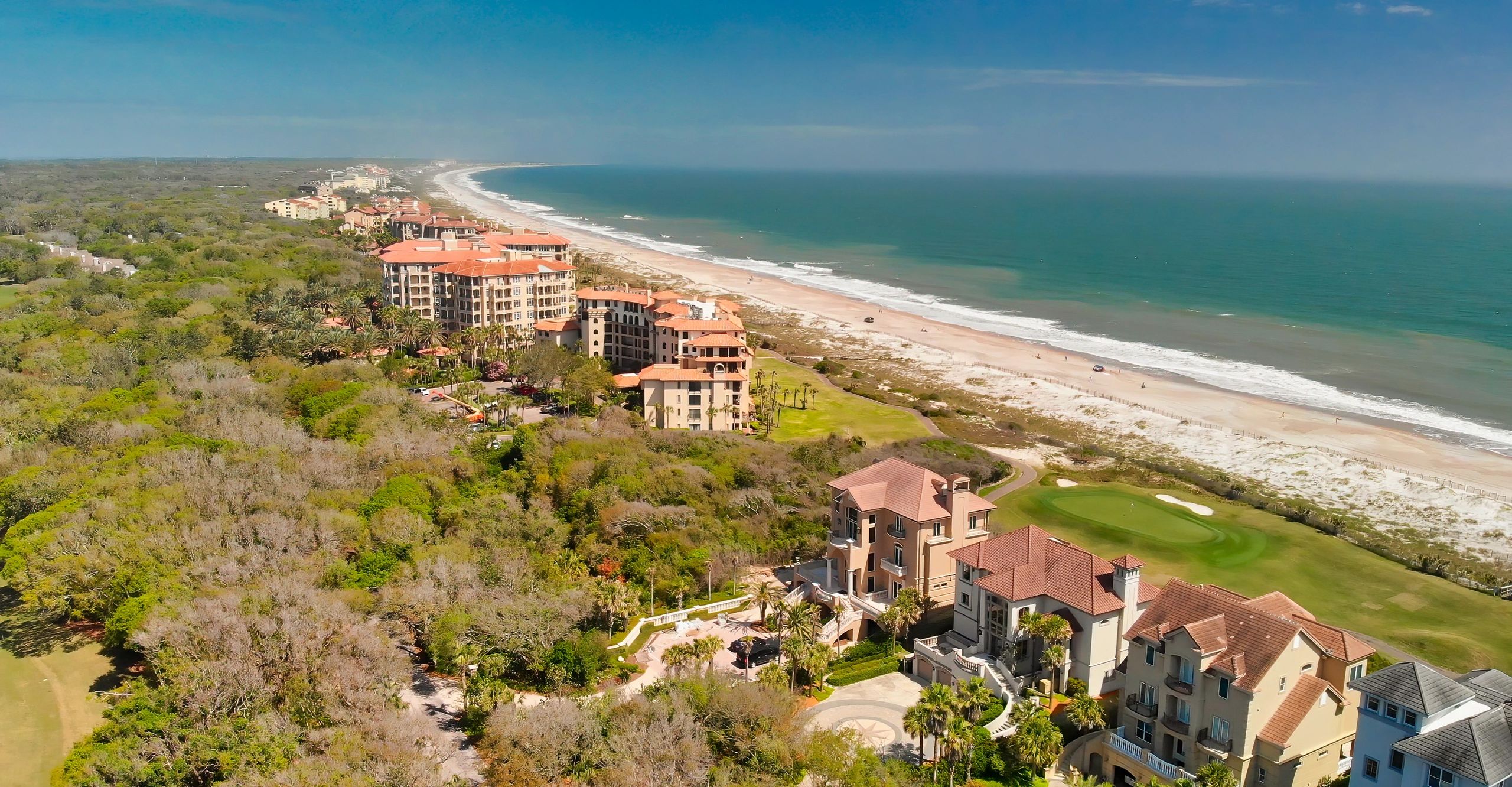
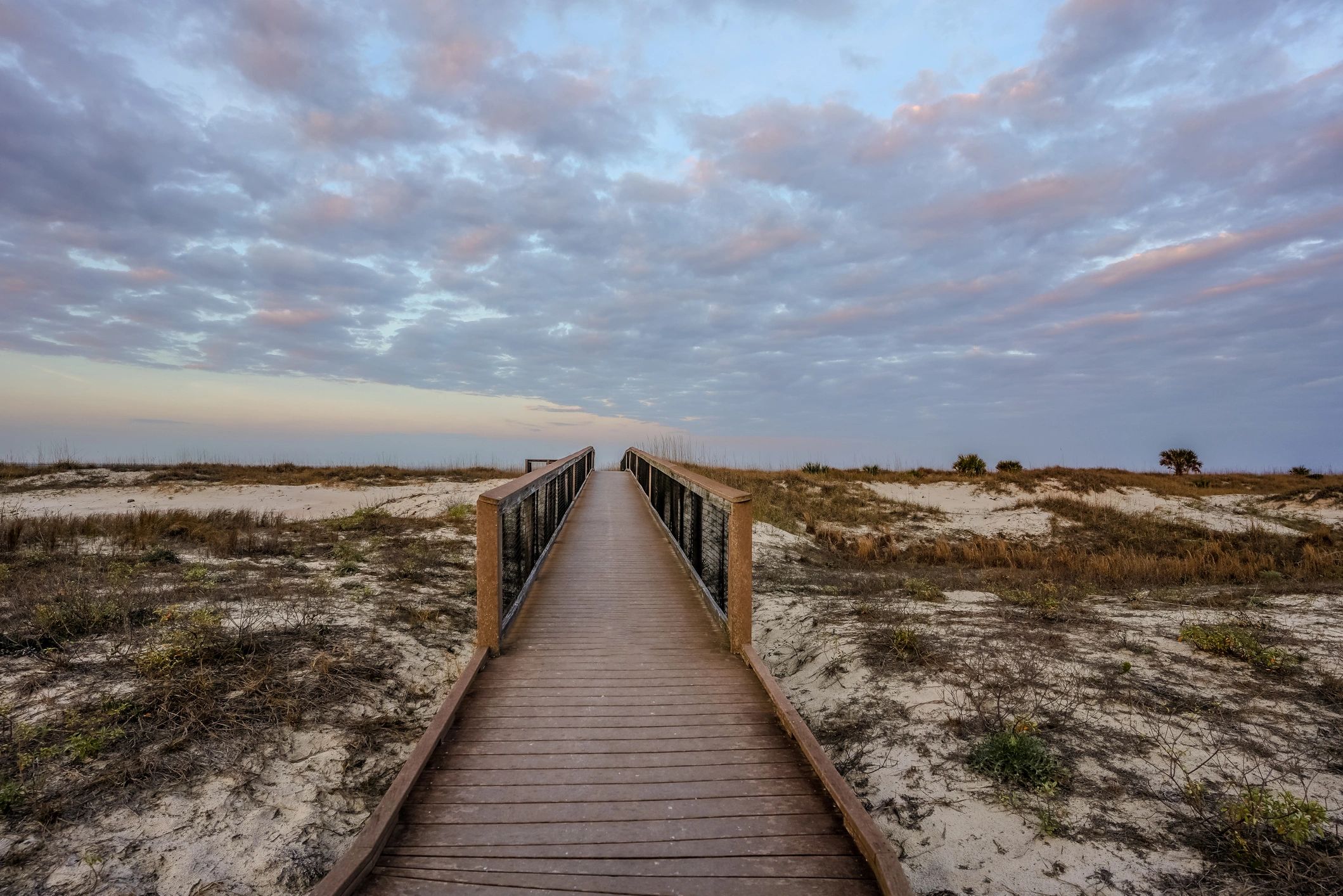
Amelia Island sits at Florida’s northeastern edge, close to the Georgia line and framed by the Atlantic Ocean, the Amelia River, tidal marshes, and shady maritime forest. The island feels wonderfully unhurried. Its beaches are broad enough for long walks, its dunes are edged with sea oats, and the historic streets of Fernandina Beach are only a short drive from the sand.
For families, the appeal is simple: a beach day can include shell hunting, bike rides, a fort visit, a casual seafood lunch, and a sunset over the marsh without a complicated itinerary. Amelia Island also rewards travelers who like to look closer. The landscape changes from oceanfront to live-oak canopy to working waterfront, and each setting tells part of the island’s story.
A SHORT HISTORY
An Island of Many Flags
Amelia Island’s coastal beauty comes with one of Florida’s most layered histories.
Long before modern visitors arrived with beach chairs and bicycles, the Timucua people lived and traveled along this coast, drawing food and transportation from the rivers, marshes, and sea. Their knowledge of the tidal landscape shaped life here for generations. European explorers later entered the region, and the island became a strategic outpost because of its protected waterways and position near the borderlands of Spanish and British influence.
Amelia Island is often called the “Isle of Eight Flags,” a nickname that reflects the succession of powers associated with the area. Spain, France, Great Britain, the Patriot Republic of East Florida, the Green Cross of Florida, Mexico, the Confederate States, and the United States all figure in its complicated past. The phrase is a useful reminder that this quiet island was once a place of international rivalry, privateering, trade, and changing allegiances.
Fernandina, the island’s historic town, developed around a deepwater harbor and a grid of streets that still makes exploring on foot easy. In the nineteenth century, shipping, timber, and maritime commerce helped shape the community. Victorian-era homes, storefronts, churches, and public buildings remain part of the streetscape, giving a beach trip an extra layer of character. A walk along Centre Street is an easy way to see how the port town and the island grew together.
Fort Clinch, completed in the nineteenth century near the island’s northern end, stands as one of the clearest links to that military history. The brick fort guarded the entrance to the St. Marys River and later saw use during the Civil War. Today, Fort Clinch State Park preserves the fort, trails, campground, and a long stretch of shoreline. It is a place where children can climb ramparts, history fans can study the architecture, and everyone can step back outside to hear the surf.
The island’s history is not limited to landmarks. It is present in the working waterfront, the old rail corridor, the fishing boats, and the stories shared by local guides and museums. Amelia Island has changed with every era, yet the natural setting remains the thread that connects them. The ocean brought explorers and commerce; the rivers supported communities; and the beaches continue to invite people to slow down and stay awhile.
When you visit, treat the history as part of the scenery rather than a separate assignment. Start with a morning on the beach, tour Fort Clinch or stroll historic Fernandina in the afternoon, then watch the light soften over the marsh. That combination of nature and heritage is what makes Amelia Island feel distinct from a typical resort shoreline.
LOCAL FAVORITES
Build an Amelia Day
Mix beach time, outdoor adventure, and historic places for an easygoing island outing.
Fort Clinch State Park
Fort Clinch State Park is a natural first stop for visitors who want more than sand and surf. Tour the brick fort, follow shaded trails through maritime hammock, or settle in along the park’s Atlantic beach. The park’s mix of history and habitat makes it especially good for families, birders, and anyone who enjoys a beach with room to roam.
Main Beach Park
Main Beach Park offers a convenient, family-friendly launch point for an Amelia Island beach day. Nearby amenities, open sand, and easy access make it a practical choice when you want to swim, build sandcastles, or take a long shoreline walk. Check local conditions before entering the water and choose a spot that fits your group’s comfort level.
Historic Fernandina
Downtown Fernandina Beach is a pleasant change of pace after the beach. Browse local shops, admire historic architecture, and find a casual meal near the waterfront. The compact district is easy to explore on foot, and its harbor views make a late-afternoon stroll feel like a natural part of the day.
Kayak the Marsh
On the island’s western side, tidal creeks and salt marshes offer a quieter view of the coast. Guided paddles can help first-time visitors understand the tides and spot wildlife such as wading birds, dolphins, and fiddler crabs. Go with the flow of the day: calm mornings are often ideal for a gentle paddle before the afternoon beach crowd arrives.
Bike the Island
Amelia Island’s relatively flat terrain makes cycling a fun way to connect the beach, parks, and town. Ride slowly, use marked paths where available, and keep an eye out for pedestrians and wildlife. A bike outing is a simple way to see the shift from ocean dunes to oak-shaded neighborhoods without spending the whole day in the car.
Sunset at the Harbor
While the Atlantic is the place for sunrise, the river and harbor side of the island can be lovely near sunset. Bring a camera, find a waterfront bench, and watch boats move through the changing light. It is a calm finish to a day that may have started with waves, sand, and a salty breeze.

ANNUAL EVENTS
Celebrate the Island
Amelia Island’s calendar gives visitors another reason to plan ahead. The best-known tradition is the Isle of Eight Flags Shrimp Festival, typically held in spring in historic Fernandina Beach. The multi-day celebration honors the area’s shrimping heritage with food, arts and crafts, live entertainment, and a lively downtown atmosphere. It is a popular weekend, so lodging and dinner reservations are worth arranging early.
Car enthusiasts often look forward to the Amelia Island Concours d’Elegance, a major automotive gathering that brings rare vehicles, collectors, and spectators to the island area. Even travelers who are not devoted car fans may enjoy the polished displays and the energy the event brings. Dates, locations, ticketing, and programming can change, so always confirm current details with official organizers before making plans.
Throughout the year, the island also hosts art walks, holiday celebrations, music, food-focused gatherings, and community events that highlight local makers and the historic downtown. These smaller occasions can be especially rewarding for families because they pair easily with beach time. Check the local event calendar close to your trip, then leave room for a spontaneous stop at a market, gallery, or waterfront performance.
- Spring: Shrimp Festival celebrations and outdoor events.
- Late winter or spring: Automotive showcases and concours programming.
- Fall: Cooler weather for art, food, and historic downtown gatherings.
- Winter: Holiday lights, seasonal shopping, and cozy waterfront walks.
Make Time for Amelia
Amelia Island is a beach destination for travelers who want a little more around the edges: more history, more trails, more tidal scenery, and more reasons to linger after the towels are packed away. Start with the Atlantic, then follow your curiosity toward the fort, the harbor, the marsh, and the welcoming streets of Fernandina Beach.
Bring sun protection, water, and a flexible plan. Respect dunes and wildlife, follow posted beach conditions, and check event details before you go. With a little room in the schedule, this corner of Northeast Florida can turn a simple beach day into a full island memory.