
Flagler County, Florida
Flagler Beach
A laid-back Atlantic beach town with cinnamon-colored coquina sand, a beloved pier, and room to slow down.
The beach town feel
A Classic Coastal Escape
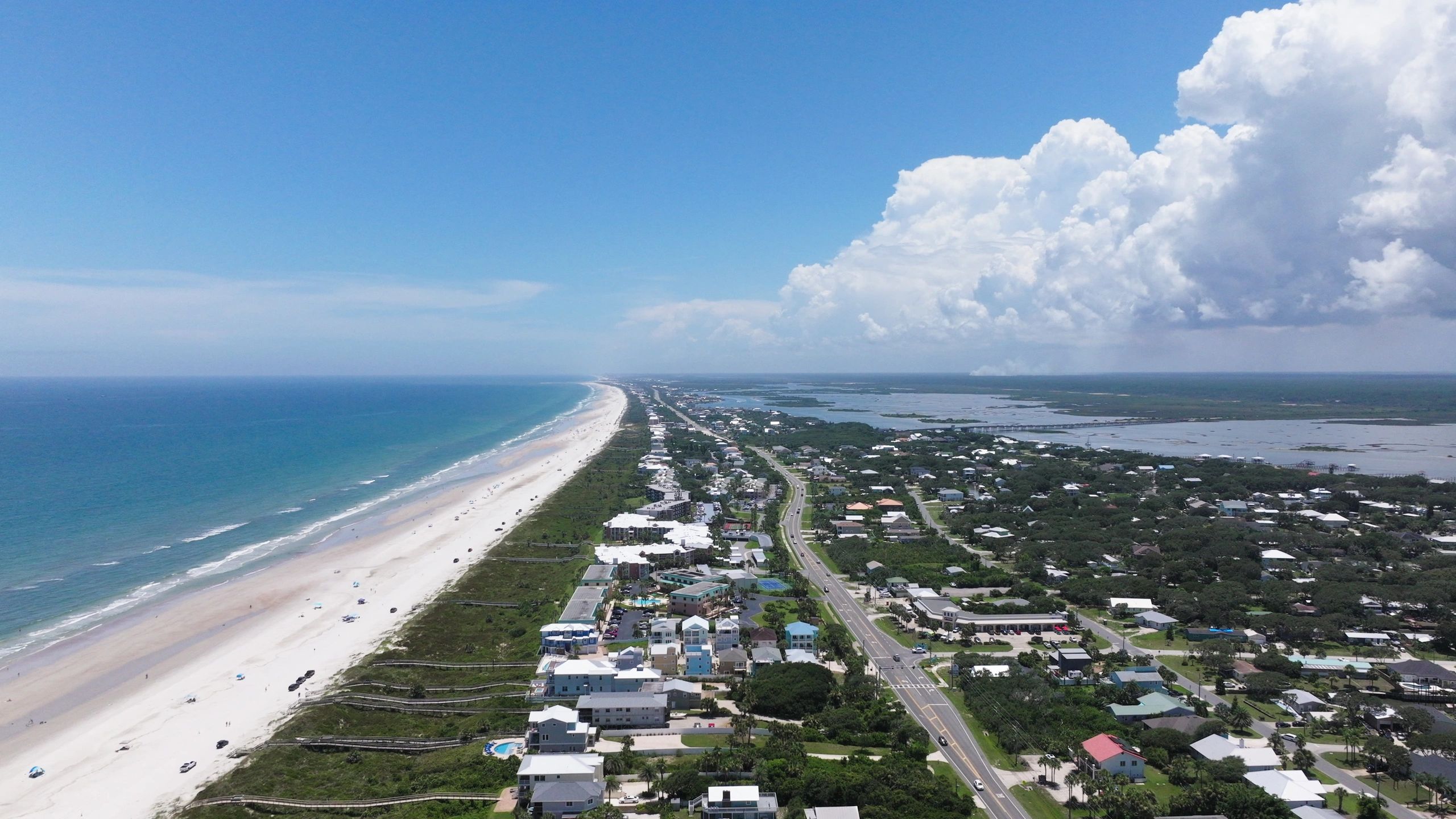
Flagler Beach sits on Florida’s northeast Atlantic coast between St. Augustine and Daytona Beach, where State Road A1A follows the ocean and the shoreline still feels refreshingly unhurried. This is a place for flip-flops, sunrise walks, salty breezes, and a beach day that does not need a complicated plan. The sand has a distinctive warm, coquina-rich color, the surf can be lively, and the town’s compact center keeps food, shops, parks, and the water close together.
Families, anglers, surfers, cyclists, and road-trippers all find an easy rhythm here. Start with a walk along the ocean, pause at the pier, browse a local shop, then settle in for a casual meal with a view. Flagler Beach is not trying to be a giant resort. Its appeal is its scale: the Atlantic is front and center, the downtown is easy to explore, and the day can be as active or as relaxed as you want it to be.
A SHORT HISTORY
From Coquina Coast to Town
Flagler Beach grew from a shoreline shaped by the Atlantic, the Intracoastal Waterway, and generations of coastal travelers.
Long before the modern town took shape, this stretch of coast was part of a larger landscape of dunes, maritime hammocks, tidal marshes, and shell-rich shoreline. Indigenous peoples lived and traveled throughout northeast Florida for centuries, using the region’s waterways and coastal resources. Later, Spanish and British colonial eras left their mark on the broader area, while the Atlantic remained both a route of travel and a powerful force that continually reshaped the beach.
The name Flagler is tied to Henry Flagler, whose railroad and hotel investments helped transform Florida tourism in the late nineteenth and early twentieth centuries. Although Flagler Beach developed its own identity, the arrival of rail connections and improved roads made the coast more accessible to visitors, settlers, and entrepreneurs. In the early decades of the twentieth century, people began looking to this oceanfront area for fishing, recreation, small businesses, and a quieter alternative to larger resort centers.
Flagler Beach incorporated in 1925, during a period when many Florida communities were growing quickly. Its location between the ocean and the river system gave it a natural identity as a waterfront town. The beach, the fishing culture, and the simple pleasure of an ocean drive became central to daily life. Over time, the town developed a friendly mix of cottages, motels, restaurants, public beach access points, and locally owned businesses that still helps define the experience today.
That history is visible in the town’s modest scale and independent spirit. Rather than a wall of high-rises, visitors find an oceanfront community where the beach remains the main attraction. Coquina sand, sea oats, and the wide horizon are part of the setting, while the pier and downtown provide gathering places. Flagler Beach continues to adapt to storms and changing shore conditions, but its character remains rooted in the same idea that drew early visitors: a direct, uncomplicated connection to the Atlantic coast.
LOCAL FAVORITES
Build a Flagler Beach Day
Pair beach time with fishing, scenic drives, nature, and a few easygoing local stops.
Flagler Beach Pier
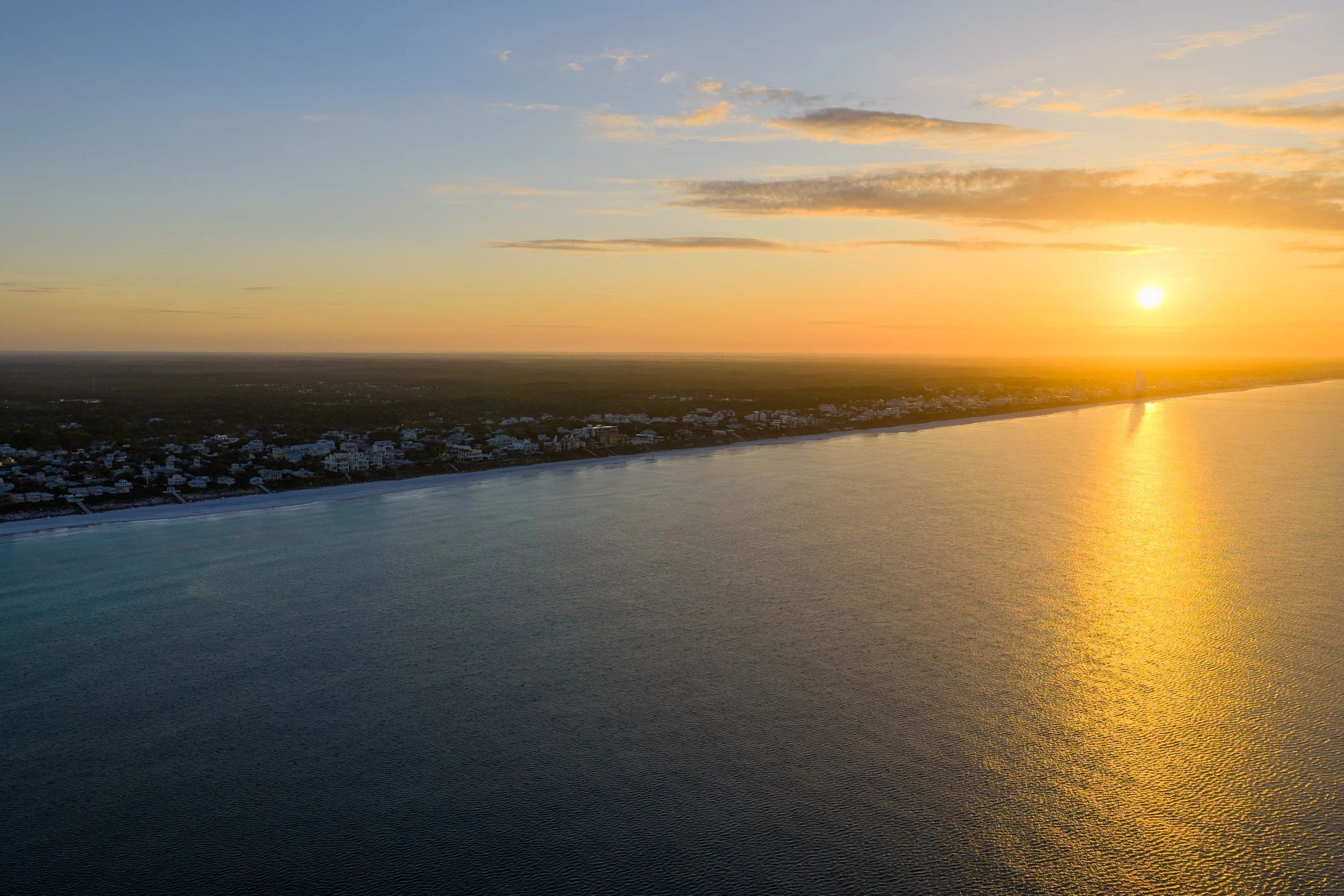
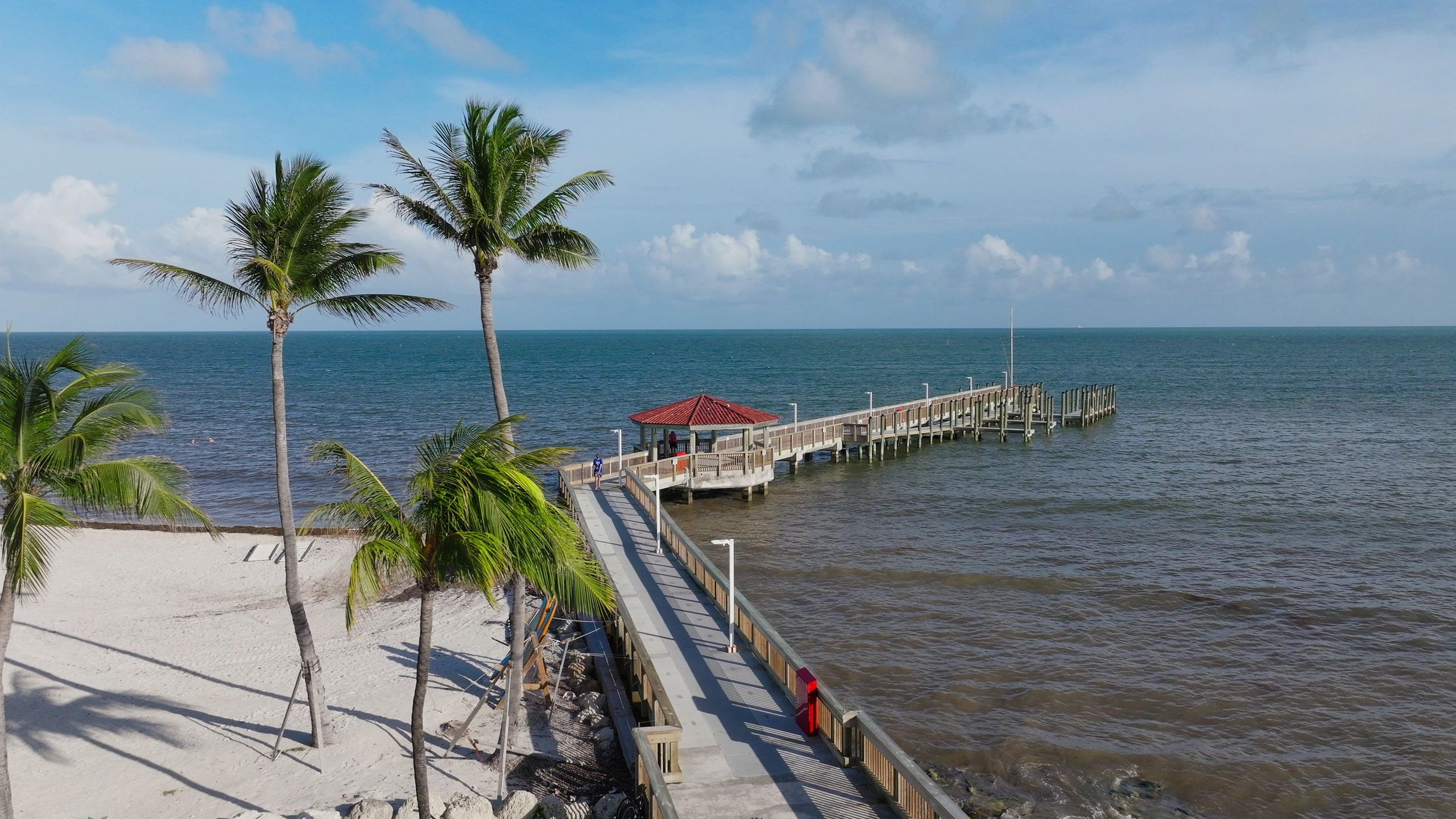
The pier is the town’s most recognizable meeting point and a natural first stop. Walk out for a look at the surf, watch anglers, and take in the long view of the coastline. It is especially nice in the morning, when the light is soft and the beach is beginning to wake up, or near sunset when the sky often becomes part of the show.
Oceanfront Beach Time
Choose a public access point, bring a chair and plenty of water, and make the Atlantic the center of the day. The coquina sand gives the shore a distinctive look, while the waves invite swimming, bodyboarding, and surfing when conditions allow. Keep an eye on posted flags and give yourself time for a barefoot walk at the waterline.
A1A Scenic Drive
State Road A1A is more than a route through town. It is one of the best ways to experience the coast, with ocean views, beach access points, and a relaxed road-trip feel. Head north or south for a change of scenery, then return to Flagler Beach for lunch, ice cream, or a sunset stroll.
Bulow Creek and Parks
For a break from the sand, explore the natural side of the region. Nearby parks and preserves offer trails, shady hammocks, marsh views, and opportunities to spot birds and other wildlife. Bulow Creek State Park and the surrounding scenic areas are good choices for a picnic, a short hike, or a quieter afternoon outdoors.
Fishing and Surfing
Flagler Beach has a strong fishing and surf culture. The pier and shoreline are popular places to cast a line, while changing Atlantic swells can create fun conditions for experienced surfers. If you are new to either activity, local outfitters and shops can help with current conditions, gear, and practical advice.
Downtown Wandering
Leave the car parked and explore the compact downtown near the ocean. Casual restaurants, cafés, small shops, and beachy storefronts make it easy to build in a break between swims. The best approach is simple: follow your curiosity, support a local business, and leave room for an unplanned stop.
ANNUAL EVENTS
Plan Around Local Traditions
Flagler Beach’s calendar reflects the town’s community-minded personality. Annual events can change dates, locations, and details from year to year, so check official local listings before you go. Still, visitors can usually find a mix of art, food, music, holiday gatherings, and outdoor celebrations that make a beach weekend feel even more connected to the place.
Spring often brings outdoor markets, art-focused weekends, and community events that take advantage of mild weather. The Flagler Beach area is known for creative local energy, and art shows or gallery-related happenings can be a fun way to meet makers and browse coastal-inspired work. It is also a great season for biking, fishing, and pairing a beach day with a festival stop before the summer heat arrives.
Summer centers on the shoreline, with Independence Day celebrations and seasonal gatherings adding extra energy to the coast. Families should arrive early for parking on busy holiday weekends, bring sun protection, and confirm any fireworks or public-event plans in advance. Fall can bring food, music, and community celebrations, while the cooler months are ideal for holiday events, outdoor walks, and relaxed visits when the beach feels especially spacious.
- Look for seasonal art, market, and music events in spring.
- Check local Independence Day plans before a summer visit.
- Enjoy fall food and community gatherings along the coast.
- Plan a winter beach walk around holiday festivities and local shopping.
Why Flagler Beach Feels Different
Flagler Beach offers the kind of Florida day that is easy to remember because it is easy to enjoy. You can watch the sunrise, walk the pier, swim or surf, find a casual lunch, and still have time for a scenic drive or a quiet nature stop. The town’s coquina-colored shoreline and independent spirit give it a character that feels distinctly local.
Whether you are planning a family beach day, a coastal road trip, or a slower weekend near the water, come with a little flexibility. Check conditions, respect the ocean, support local businesses, and leave time to wander. In Flagler Beach, the best moments are often the simplest ones: salt air, a wide horizon, and nowhere urgent to be.