
Miami Beach, Florida
Miami Beach
A bright Atlantic escape where wide sand, Art Deco streets, parks, and year-round culture meet.
The beach town feel
More Than a Shoreline
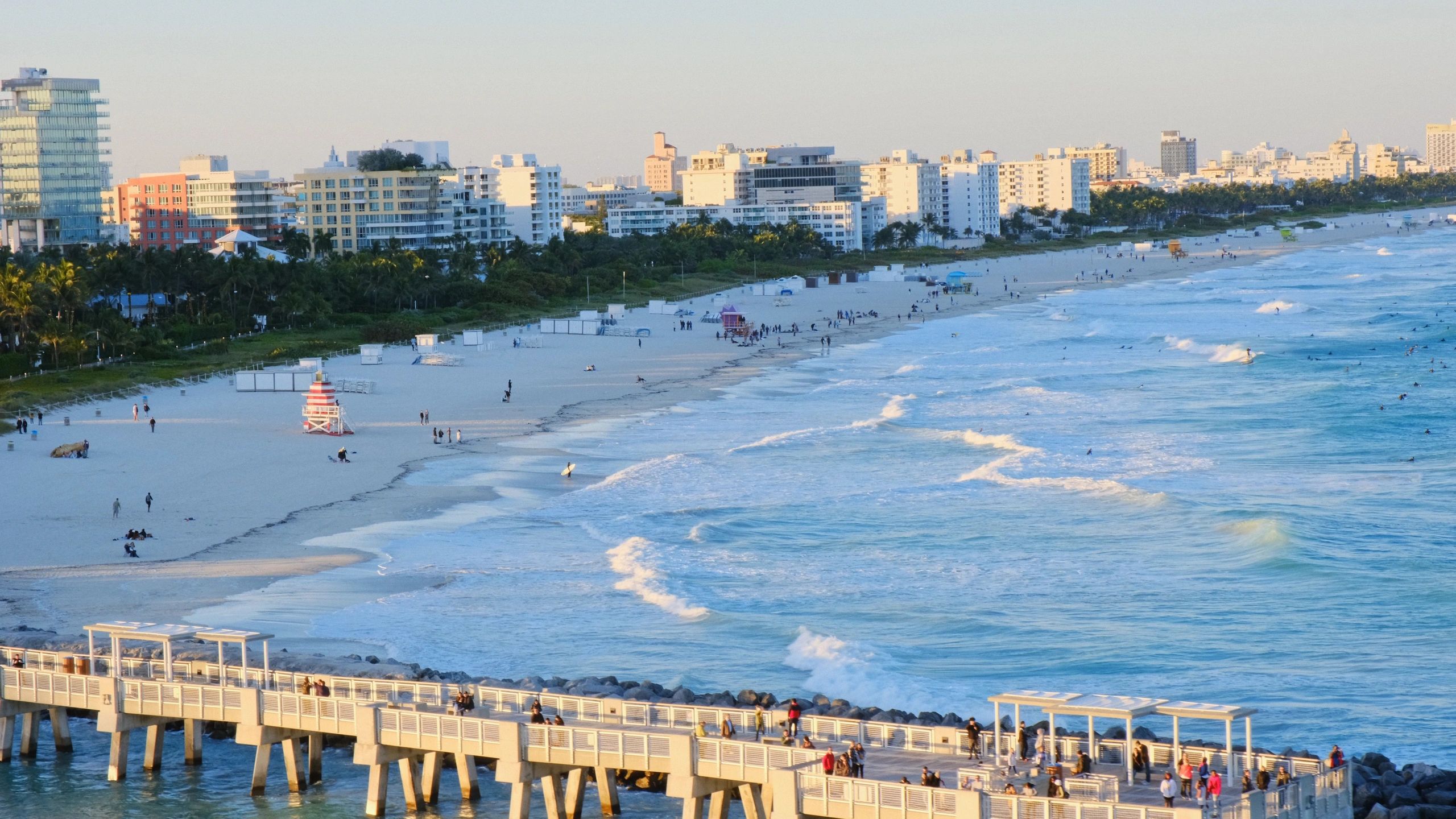
Miami Beach is a barrier-island city between the Atlantic Ocean and Biscayne Bay, connected to mainland Miami by a series of causeways. Its beaches are the headline, but the city offers much more than a place to spread out a towel. Oceanfront parks, neighborhood cafés, public art, historic hotels, and a long beachfront path make it easy to build a day that moves at your own pace.
The city stretches well beyond South Beach. Mid-Beach brings a quieter resort rhythm and broad sands, while North Beach feels more residential and relaxed. Across the island, palms, pastel architecture, and changing water views create a distinctly coastal setting. Families can focus on parks and easy beach access, while curious visitors can add museums, design, dining, and a sunset stroll to the same itinerary.
A SHORT HISTORY
From Sandbar to City
Miami Beach grew from a shifting coastal landscape into one of Florida’s best-known seaside cities.
Before roads, hotels, and oceanfront towers, the island was a low, sandy landscape shaped by dunes, mangroves, and tidal waters. Indigenous peoples lived throughout South Florida long before modern development, and the bay-and-ocean setting remained a place of fishing, travel, and seasonal change. In the early twentieth century, entrepreneurs and developers began draining land, planting vegetation, and promoting the island as a warm-weather destination. Bridges and causeways made access easier, and Miami Beach was incorporated in 1915.
Its early identity was tied to tourism. Visitors arrived for sunshine, sea air, and winter stays, while hotels and homes filled in the island’s growing neighborhoods. The boom-and-bust cycles of South Florida shaped the city, but the beach remained its most valuable natural asset. By the 1930s and 1940s, a remarkable collection of Art Deco and Streamline Moderne buildings transformed the streets near the ocean into a colorful architectural showcase.
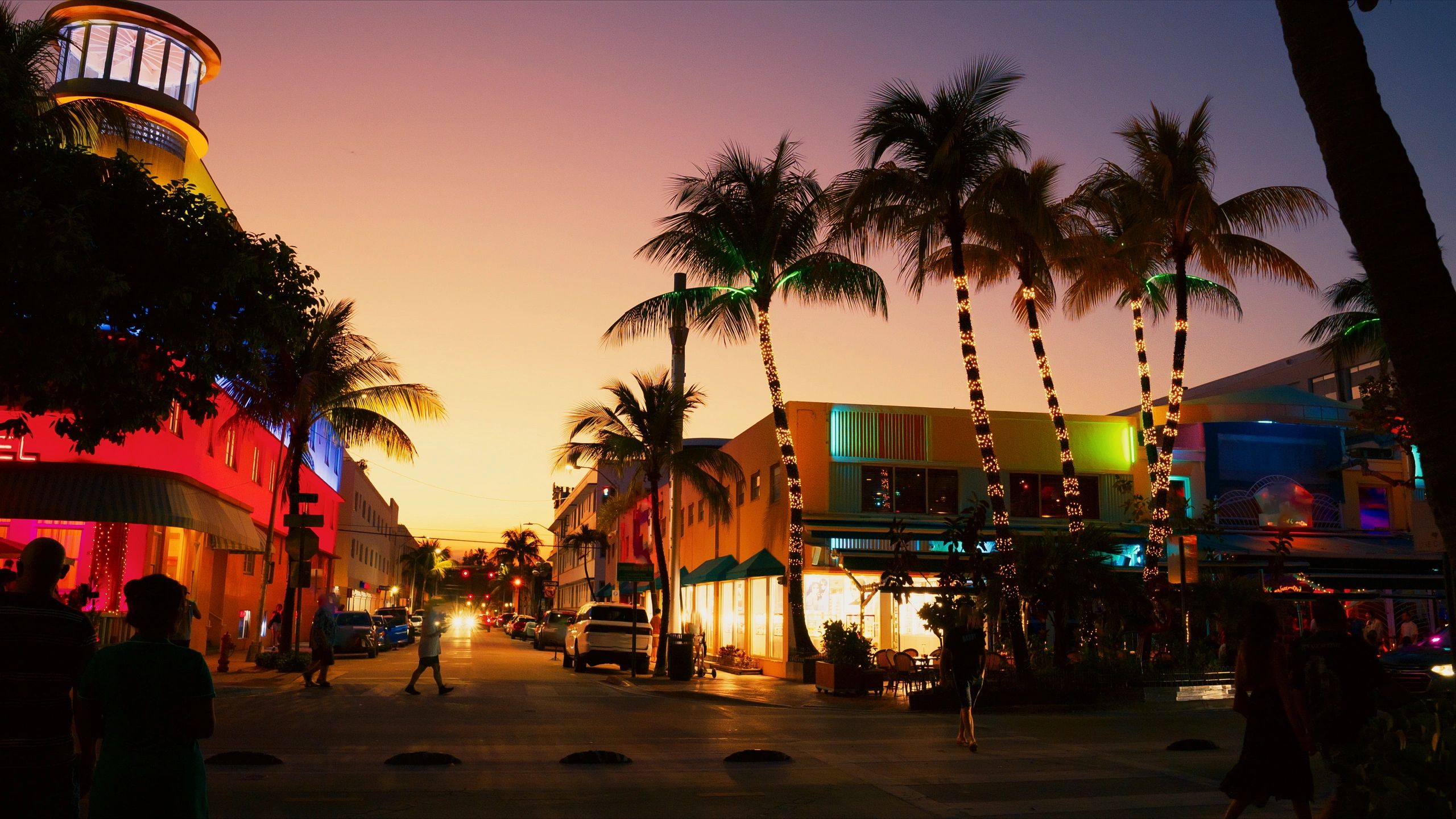
Rounded corners, glass-block details, porthole windows, terrazzo floors, and nautical motifs gave the new hotels a style that felt perfectly suited to the coast. The buildings along Ocean Drive, Collins Avenue, and Washington Avenue later became the heart of the Miami Beach Architectural District. Preservation advocates helped protect this collection when redevelopment threatened many historic structures, ensuring that the city’s most recognizable visual language remained part of everyday life.
In the decades that followed, Miami Beach became a global meeting place for art, fashion, music, food, and travel. Today, its history is visible on a simple walk: a restored hotel beside a contemporary restaurant, a classic lifeguard tower facing the Atlantic, and a bayfront view that recalls the island’s original geography. The city continues to evolve, yet its best experiences still begin with the same essentials: water, sand, shade, and a little time to wander.
LOCAL FAVORITES
Build a Miami Beach Day
Mix beach time with parks, architecture, and neighborhood stops for a flexible Florida outing.
Beachfront Path
The paved Miami Beachwalk links long stretches of the oceanfront and is one of the easiest ways to see the city without getting back in the car. Walk, jog, or bike past palms, hotels, beach access points, and changing views of the sand. It is especially pleasant in the morning or near sunset.
Art Deco District
Explore the streets around Ocean Drive, Collins Avenue, and Washington Avenue to see the pastel geometry that defines Miami Beach. A self-guided walk works well for families, while a guided tour can add stories about the architects, preservation movement, and landmark hotels.
South Pointe Park
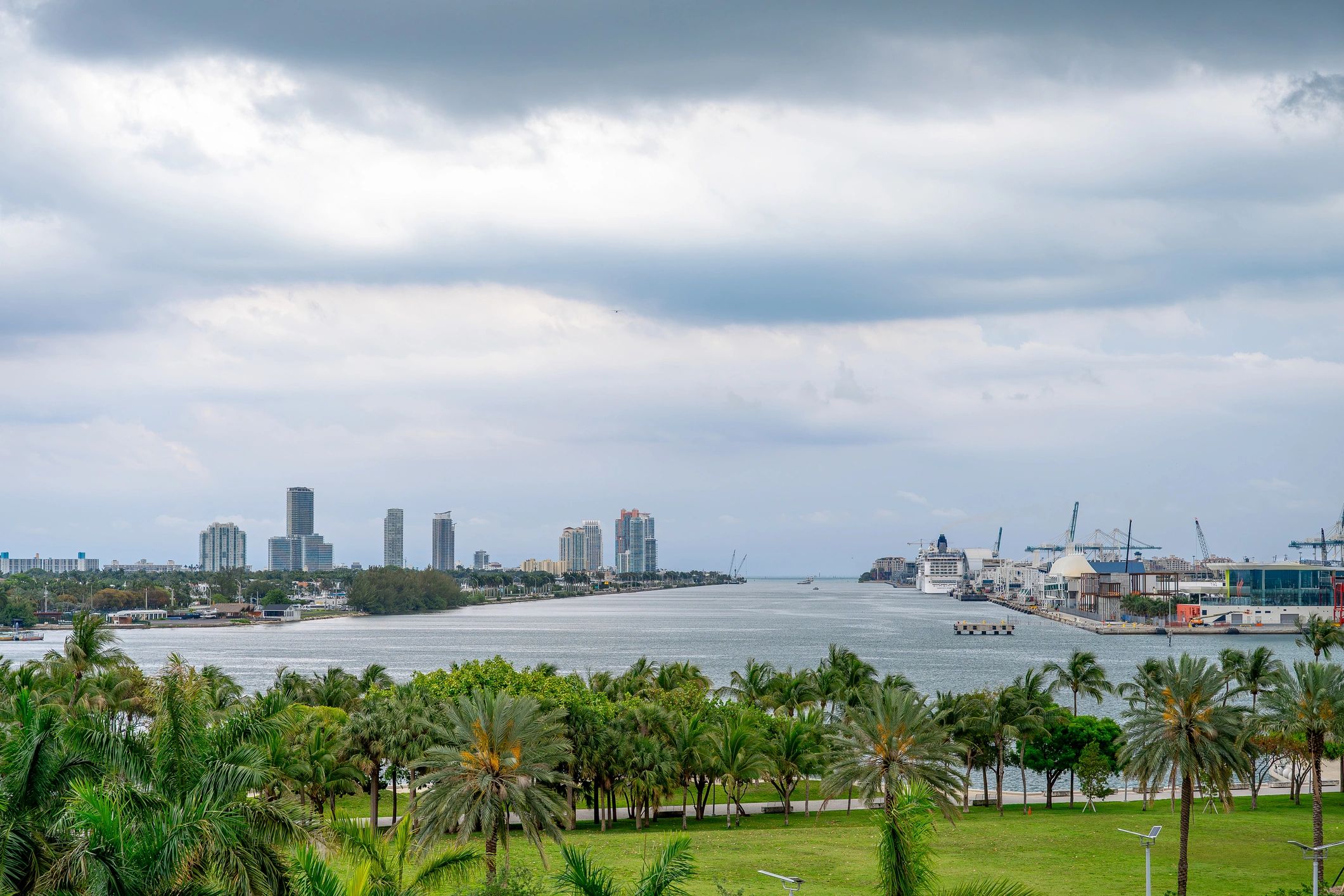
At the island’s southern tip, this waterfront park offers lawns, paths, a playground, and wide views of Government Cut. Watch cruise ships and boats move between the bay and ocean, then stay for the changing light over the water. It is a favorite place for a relaxed end to the day.
North Beach
For a calmer beach outing, head north for a more residential feel, broad sand, and a slower pace. North Beach Oceanside Park provides shade and open space near the shoreline, making it a useful choice for families who want a break from the busiest South Beach blocks.
Lincoln Road
This open-air pedestrian district is a handy afternoon option for shopping, public art, and casual dining. Its central location makes it easy to pair with the beach, and the walkable layout offers a welcome change of scenery when you are ready to trade sand for shade.
Bayfront Views
Cross the island toward Biscayne Bay for a different side of Miami Beach. Bayfront parks and streets reveal calmer water, sailboats, and skyline views. The contrast between the Atlantic and the bay is part of what makes the city feel like more than a single beach destination.
ANNUAL EVENTS
A Calendar by the Coast
Miami Beach’s event calendar changes with the seasons, and dates, venues, and access details can shift from year to year. Winter often brings major art programming, including Art Basel Miami Beach and Miami Art Week, when galleries, installations, talks, and satellite events fill the city and nearby neighborhoods. It is an exciting time for art lovers, though lodging and restaurants can be especially busy.
Spring is known for music, food, and outdoor energy. The Miami Beach Pride celebration typically brings a colorful parade and community events, while the South Beach Wine & Food Festival draws culinary fans to tastings, demonstrations, and special dinners. The Miami Beach Air and Sea Show is another popular springtime draw, with aerial demonstrations and waterfront viewing areas. Check official organizers before making plans, especially if you are traveling with children or need accessible viewing information.
Summer and fall offer their own reasons to visit, from neighborhood cultural programs to restaurant events and quieter beach days between larger festivals. The city’s annual Miami Beach Classical Music Festival has presented free outdoor programming in recent years, and the Miami Beach Halloween Half Marathon adds a playful, active option for runners. No matter when you arrive, look for current city calendars and venue listings, then leave room for an unscheduled walk along the water.

BEACH DAY BASICS
Make the Most of It
Start early for easier parking, cooler temperatures, and a calmer stretch of sand. Bring water, reef-conscious sunscreen, and a cover-up for walks between the beach and nearby shops. Choose a beach access point near the activities you want to enjoy, whether that means a park, the Beachwalk, or a quieter North Beach setting.
Swim near lifeguard stations and pay attention to posted flags, especially when wind or changing conditions create stronger currents. The Atlantic is inviting, but it deserves respect. Public transportation, rideshare, walking, and biking can make a visit simpler during busy periods, while a little flexibility helps when major events are in town.
- Arrive early for the best parking options.
- Use marked beach access points and follow lifeguard guidance.
- Walk or bike the beachfront path between attractions.
- Check official event calendars before traveling.
Why Miami Beach Shines
Miami Beach works because it offers several kinds of Florida escape in one place. Spend the morning in the surf, take in Art Deco landmarks, pause for a casual meal under the palms, and finish with a bay or ocean view. It can be energetic, relaxed, historic, and contemporary all in the same day.
Whether you are visiting for a few hours or planning a longer coastal trip, leave room to wander. The best moments are often simple: a colorful lifeguard tower against a blue sky, a breezy ride along the Beachwalk, a family picnic in the park, and the feeling that the water is always close by.