
Florida Panhandle
Apalachicola
A historic river town where oyster boats, old brick streets, and wild Gulf Coast landscapes meet.
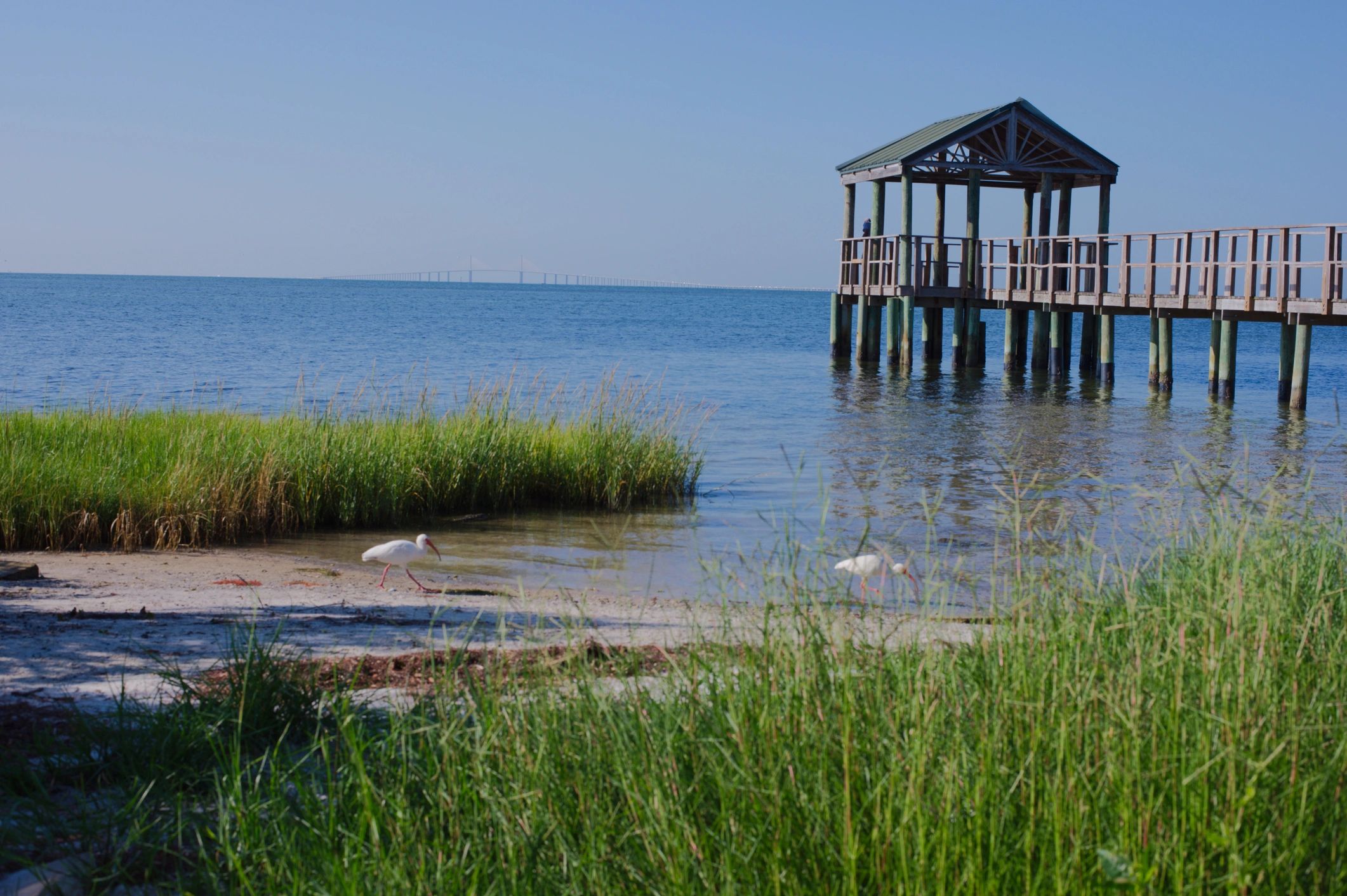
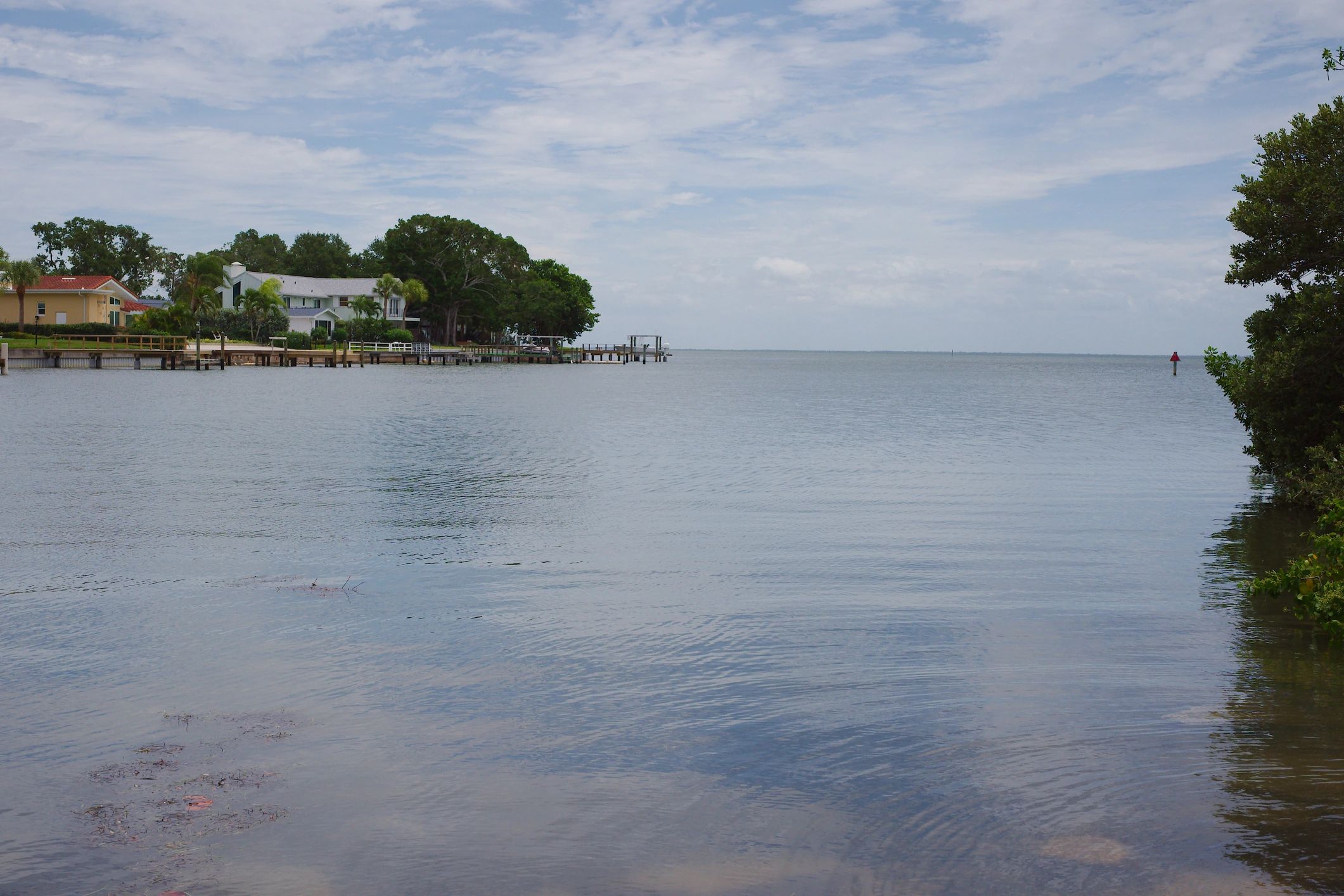
The river town feel
More Than a Beach Stop
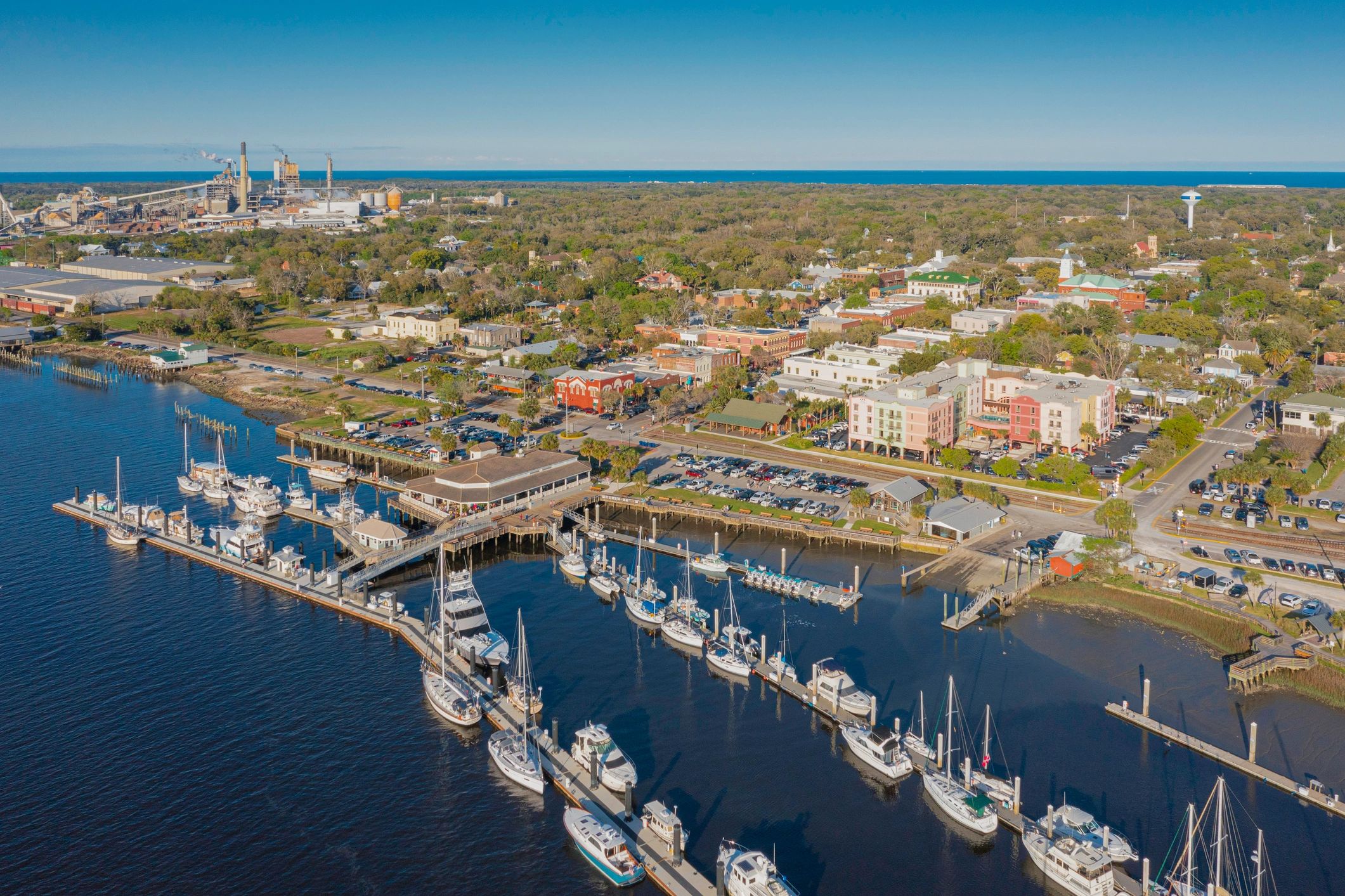
Apalachicola sits where the Apalachicola River opens toward Apalachicola Bay, a small Florida Panhandle town with a big sense of place. It is not a high-rise beach resort. Instead, visitors find shady streets, working waterfront views, weathered docks, independent shops, and a downtown filled with historic buildings. The Gulf beaches of St. George Island are close by, but the town itself is the reason to slow down.
For families, road trippers, and travelers who enjoy a quieter coast, Apalachicola makes an easy base for a day of local food, history, nature, and water views. Begin with coffee and a walk through downtown, browse galleries and bookstores, then head toward the riverfront to watch boats and pelicans. By evening, the town’s relaxed pace makes a simple seafood dinner and sunset stroll feel like the main event.
A SHORT HISTORY
A Port Shaped by Water
Apalachicola’s story follows the river, the bay, and the people who have worked both.
Long before the modern town took shape, the Apalachicola River system was an important travel route and resource for Indigenous peoples. The river drains a vast part of the Southeast before reaching the Gulf, and its meeting with the bay created a productive landscape of marshes, forests, fisheries, and sheltered water. Spanish, British, and American interests later recognized the strategic value of this coast, where inland trade could reach the sea.
In the early nineteenth century, Apalachicola grew quickly as a Gulf port. Cotton from inland plantations moved downriver to warehouses and ships, while goods and people moved back toward the interior. The town’s grid of streets, commercial buildings, and homes reflects that busy era. Many surviving structures date from the nineteenth and early twentieth centuries, giving downtown an architectural character that feels distinct from newer Florida beach communities.
After the cotton trade declined, the waterfront remained central to local life through timber, fishing, shrimping, and especially oysters. Apalachicola Bay became nationally known for its oysters, and generations of watermen built skills, businesses, and traditions around the estuary. The bay’s health depends on the balance of fresh river water and saltwater from the Gulf, a reminder that the town’s culture and economy are closely tied to the surrounding natural systems.
Today, Apalachicola is valued for its historic district, working-waterfront identity, and access to some of Florida’s most undeveloped coastal scenery. A walk through town can connect all of those chapters: brick storefronts and porches recall the port years, river views point toward the trade routes, and seafood menus speak to the bay. It is a place where local history is not tucked away; it is part of the everyday landscape.
LOCAL FAVORITES
Build an Apalachicola Day
Mix downtown discoveries, waterfront views, and wild coastal adventures at an easygoing pace.
Historic Downtown
Start on the walkable streets around Market Street and Commerce Street, where historic storefronts hold local shops, galleries, cafés, and places to pause. Look for old brickwork, wide porches, and river-town details that make the district feel lived in rather than staged. It is an easy place to browse with kids or to build in a relaxed lunch stop.
Riverfront Walks
Head toward the waterfront for views of the Apalachicola River, docks, boats, and birds. The riverfront is a good place to understand the town’s working relationship with the water. Bring binoculars if you have them, especially in cooler months when the surrounding coast can be rich with birdlife.
Oyster Country
Seafood is part of the local story, and a meal centered on Gulf catch is one of the most direct ways to experience it. Ask about seasonal availability and local preparations. Whether you choose oysters, shrimp, fish, or a simple basket by the water, the best meals here connect the plate to the bay just beyond town.
John Gorrie Museum
Visit the John Gorrie Museum State Park to learn about the local physician whose work on cooling and ice-making is part of the history of modern air conditioning. It is a compact, family-friendly stop that adds an unexpected science story to a coastal itinerary and gives context to one of Apalachicola’s best-known residents.
Estuary Adventures
Book a guided boat, kayak, or paddling outing to see the bay and nearby marshes from the water. Conditions and routes vary, so local outfitters are helpful for choosing an experience that fits your group. These trips can reveal dolphins, shorebirds, oyster bars, and the wide-open character of Florida’s Forgotten Coast.
St. George Island
When you are ready for sand and surf, St. George Island is an easy coastal companion to Apalachicola. Its broad beaches, state park, and quieter Gulf setting offer a classic beach day without leaving the region’s laid-back rhythm. Pack sun protection, water, and a little extra time for the scenic drive.
ANNUAL EVENTS
Plan Around Local Traditions
Apalachicola’s event calendar reflects the town’s maritime culture, creative community, and love of a good gathering. The Florida Seafood Festival, traditionally held in early November, is one of the area’s signature celebrations, with seafood, music, arts and crafts, and a parade atmosphere. It is a popular weekend, so visitors should confirm dates and make lodging plans early.
Spring often brings the Apalachicola Home and Garden Tour, when visitors can explore distinctive homes, gardens, and historic spaces while learning more about the town’s architecture. The Apalachicola Antique and Classic Boat Show is another beloved fall tradition, bringing polished wooden boats and waterfront charm to town. Seasonal markets, art walks, holiday events, and smaller music gatherings add more reasons to return throughout the year.
Event schedules can change with weather and local planning, so check official organizers before traveling. Even outside festival weekends, Apalachicola rewards a visit with the same ingredients that make its events special: friendly conversations, local flavor, river breezes, and a strong connection to the water.
Why Apalachicola Feels Different
Apalachicola offers a Florida coast shaped by river currents, oyster beds, historic streets, and unhurried days. You can learn about a port town’s past, eat close to the source, watch the light change over the water, and still reach a beautiful Gulf beach before sunset. It is an ideal stop for travelers who want their beach trip to include a real sense of place.
Give yourself time to wander, ask local questions, and follow the waterfront. The best Apalachicola moments are often simple: a porch in the afternoon shade, a boat returning to the dock, a plate of fresh seafood, and a long view across the bay toward the open Gulf.