
Key Biscayne, Florida
Crandon Park Beach
A palm-framed Atlantic escape where gentle water, wide sand, and Key Biscayne nature make room for an easy family day.
The park beach feel
A Softer Side of Miami
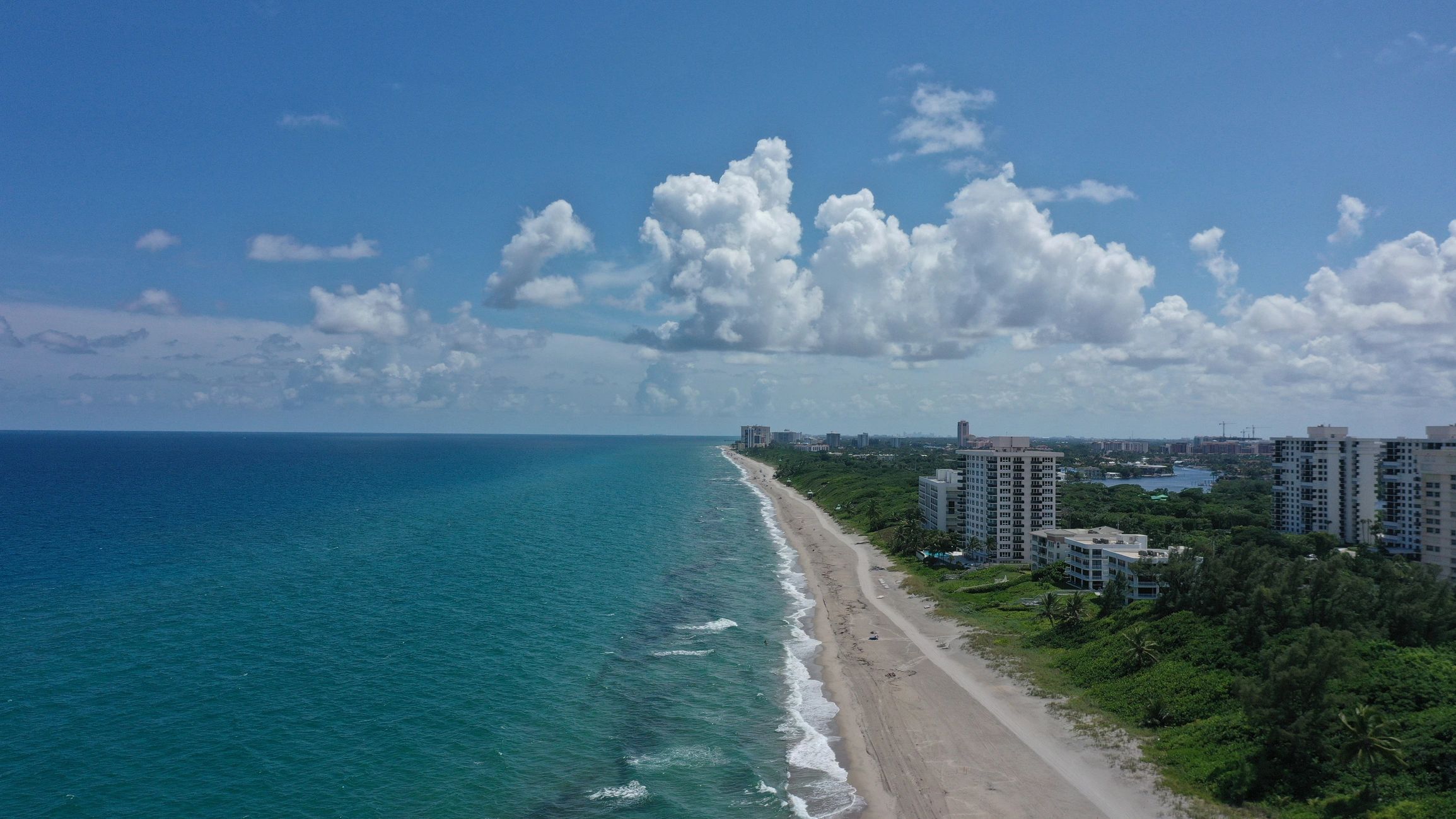
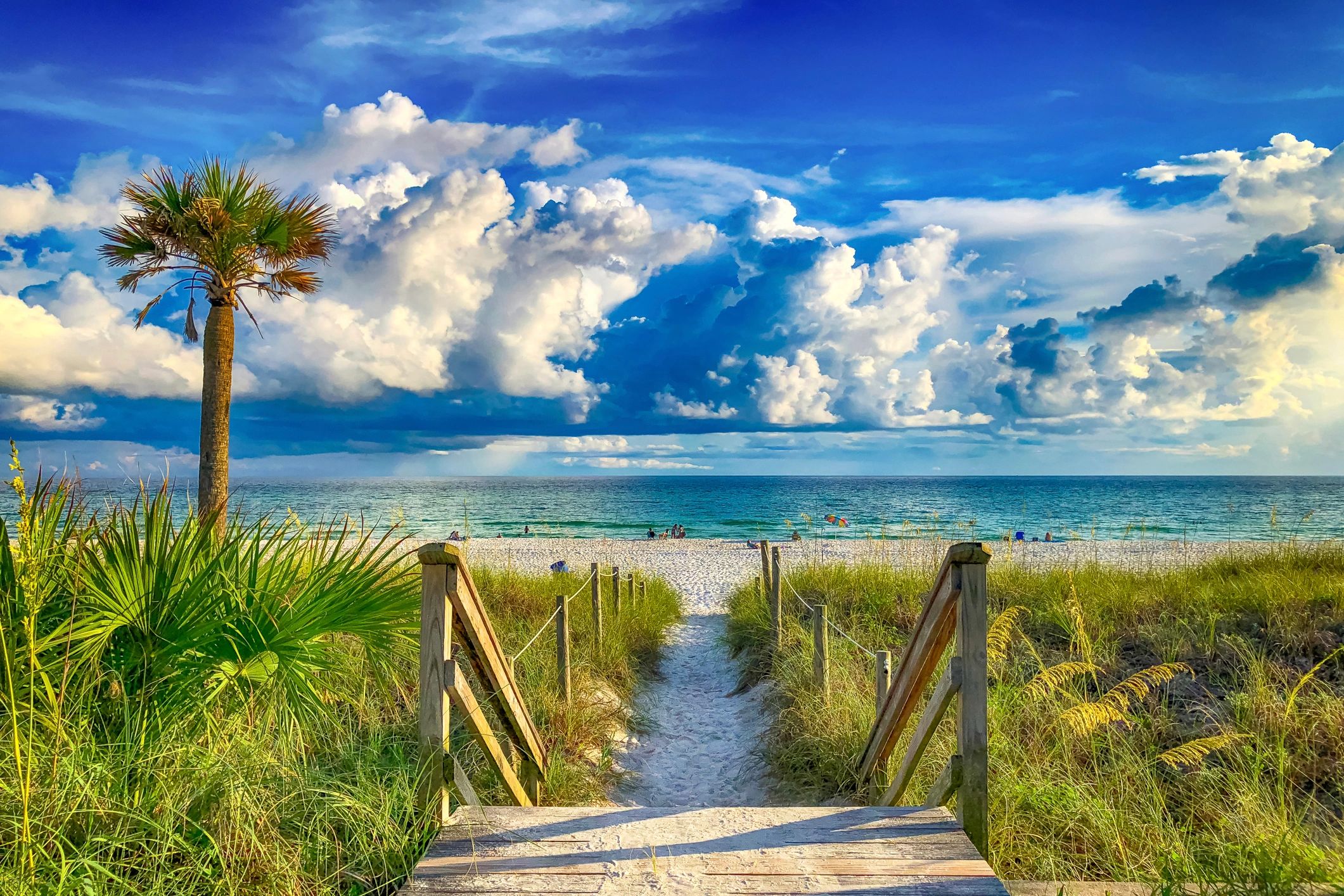
Crandon Park Beach sits on the ocean side of Key Biscayne, a barrier island just southeast of downtown Miami. The setting feels distinctly different from the city’s busier beachfronts: palms and sea grape frame the sand, shallow-looking water often invites a slower pace, and the park’s broad footprint gives families room to settle in. It is a beach day with a natural backdrop, not just a strip of sand beside a skyline.
The beach is part of a larger county park with picnic areas, open lawns, nearby nature spaces, and access to the island’s wider network of roads and paths. That mix makes Crandon especially useful for multigenerational outings. One person can swim, another can look for birds along the shoreline, and everyone can regroup under the shade for lunch. Conditions change with wind, tide, and season, so visitors should always follow posted guidance and choose lifeguarded areas when available.
A SHORT HISTORY
From Island Estate to Park
Crandon’s story connects Key Biscayne’s coastal landscape with one of Miami-Dade County’s best-known public parks.
Long before it became a beloved public beach, Key Biscayne was shaped by coastal hammocks, dunes, mangroves, and the shifting waters of Biscayne Bay and the Atlantic. Indigenous people traveled and lived throughout South Florida’s coastal environments for generations, relying on the region’s rich marine resources. Later, the island’s location made it part of the broader story of navigation, settlement, and development around Biscayne Bay. The landscape visitors enjoy today is still defined by that meeting of ocean, bay, and subtropical vegetation.
In the early twentieth century, the northern part of Key Biscayne was associated with the Crandon family, whose estate and holdings helped shape the area’s modern identity. William John Matheson, a wealthy industrialist and conservation-minded landowner, acquired much of the island in the 1920s. His family later played a major role in making a large portion of the property available for public recreation. The park’s name honors the Crandon family, while the land’s public future reflects the Matheson family’s gift and the county’s commitment to preserving a major piece of the island for residents and visitors.
Crandon Park opened to the public in the mid-twentieth century and grew into a destination with beach facilities, picnic grounds, sports areas, and nature-focused attractions. Its history is not separate from Miami’s growth; it is a reminder that public access to the coast has to be protected as the region changes. The park has also evolved with the island, balancing recreation with the care of sensitive habitats and the realities of a dynamic shoreline.
For today’s visitors, the history is visible in the scale of the place. Crandon is more than a beach access point. It is a large public landscape where palms, dunes, open sand, and park amenities sit together on a barrier island. Take a moment to notice the transition from parking and picnic areas to vegetation and shoreline. That gradual change is part of what makes a day here feel less like a quick stop and more like time spent in a coastal park with a long local story.
POPULAR THINGS TO DO
Build a Crandon Day
Mix beach time, waterfront wandering, and island exploration at a pace that works for your group.
Swim and Relax
Crandon’s broad sandy shoreline is the main attraction. Bring chairs, water, sun protection, and a shade plan, then choose a spot near the facilities that best fits your day. The beach is popular with families because it offers room to spread out and a calmer park setting than many urban beaches. Swim only when conditions are appropriate, stay aware of flags and weather, and keep children close in the water.
Walk the Waterfront
Crandon is not known for one long, continuous boardwalk in the style of a classic resort promenade. Instead, its waterfront experience comes through beach access routes, sandy shoreline walks, and the nearby paths that connect Key Biscayne’s parks and neighborhoods. A simple walk at the waterline is often the best option: head out early for quieter views, look for shorebirds, and return before the midday heat builds.
Picnic Under Palms
Pack a cooler and make the park part of the plan. Picnic areas and shade give families a comfortable reset between swims, and a sit-down lunch can turn a few beach hours into a full day. Keep food secured, clean up carefully, and use designated bins so the beach and nearby habitats stay welcoming for the next visitors.

Explore Nature Nearby
Key Biscayne rewards curious visitors. Watch for wading birds and seabirds along the shore, notice the coastal plants behind the sand, and consider pairing your beach visit with nearby nature areas or a stop at the island’s other parks. Respect marked restoration zones and wildlife space. A slow nature walk is a great way to give younger beachgoers a change of activity without leaving the island.
Bike the Island
For a longer waterfront outing, use the island’s roads and shared-use routes to connect beach time with Key Biscayne Village, Bill Baggs Cape Florida State Park, or views toward Biscayne Bay. Bring helmets and plenty of water, ride predictably, and follow local rules. Biking is especially pleasant in the morning or later afternoon, when the sun is lower and the island breeze is more noticeable.
Play and Paddle
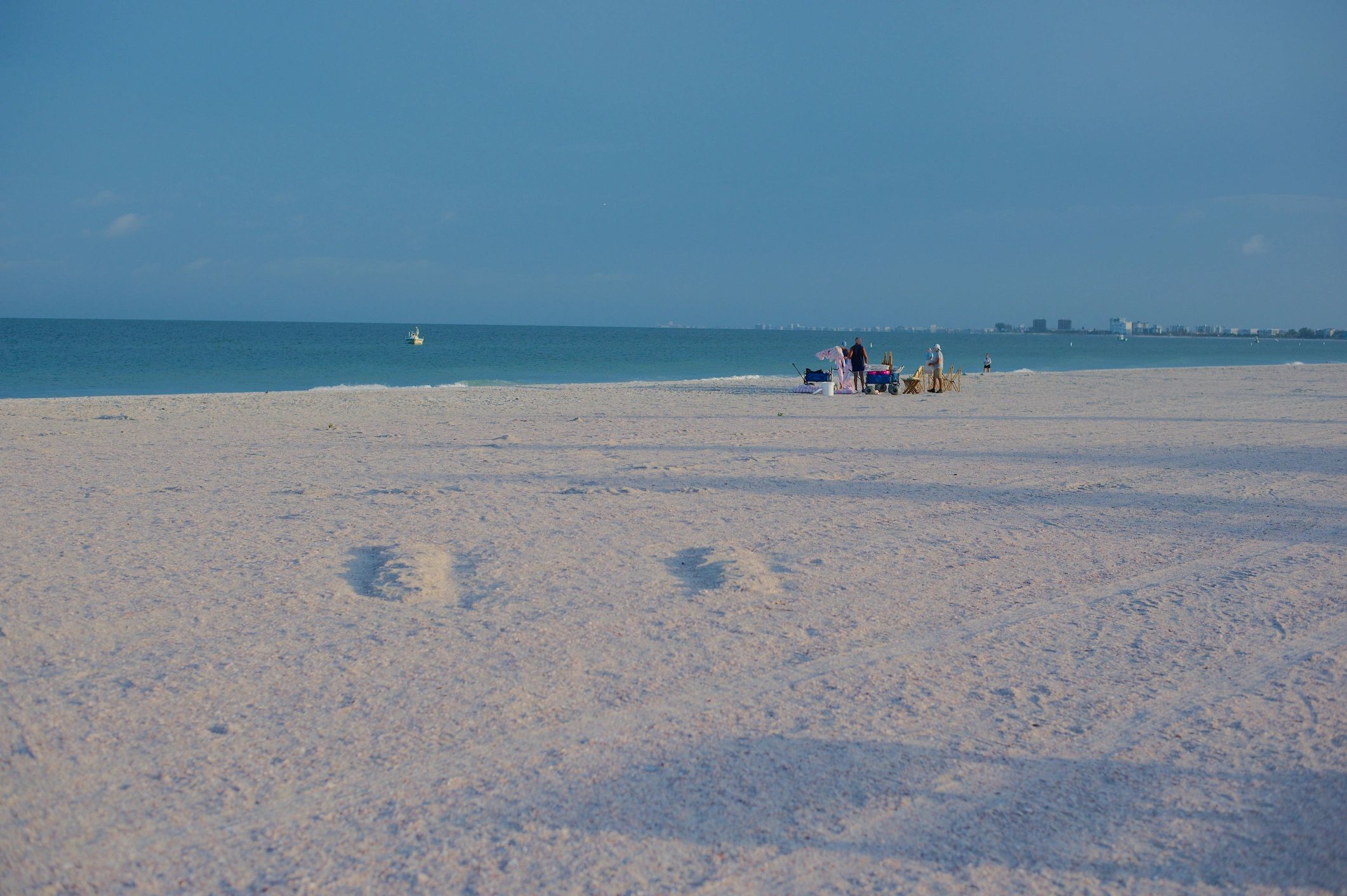
Depending on conditions and available services, visitors may enjoy beach games, sandcastle building, paddleboarding, or other low-key water activities. Keep plans flexible: wind, currents, and seasonal weather can change the best choice for the day. For a family-friendly rhythm, alternate active time with shade breaks and leave enough energy for a sunset stroll.
ANNUAL HAPPENINGS
Events Worth Watching
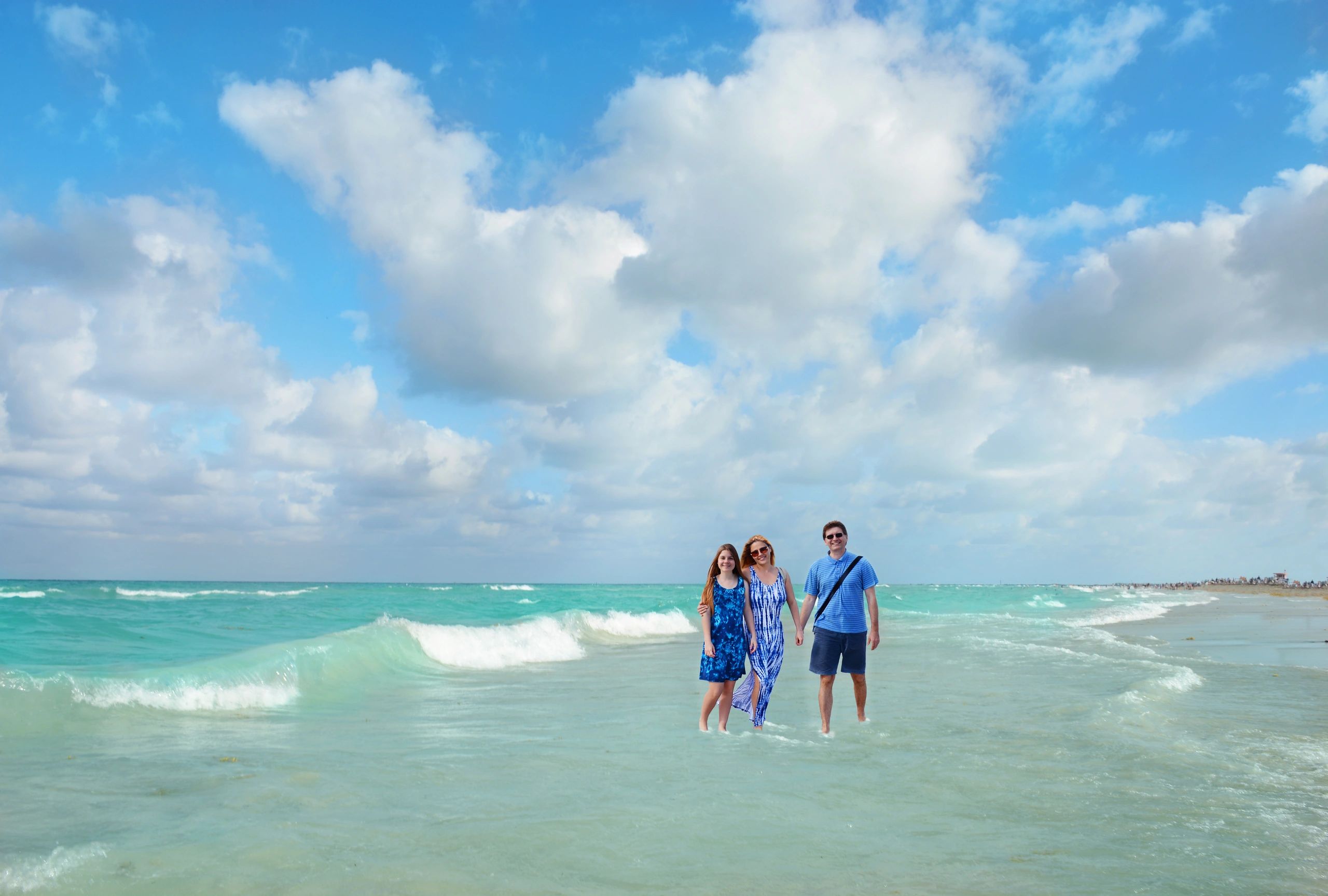
Crandon Park Beach is often best enjoyed as a relaxed day trip, but the wider Key Biscayne and Miami calendar adds extra reasons to visit throughout the year. Seasonal park programming, nature walks, beach cleanups, youth activities, and community gatherings may take place on the island or nearby. Schedules, permits, and locations can change, so check Miami-Dade County Parks and local Key Biscayne listings before making a special trip.
Winter and spring are especially active times across Greater Miami, when visitors can pair a beach day with outdoor cultural events, art programming, food festivals, and athletic weekends. The Miami Open, held at Hard Rock Stadium rather than on Key Biscayne, is a major regional event that brings extra energy to the area each spring. Miami’s boating and water-sports calendar also creates seasonal buzz, while nearby neighborhoods host their own arts and community celebrations.
For a more local experience, look for volunteer coastal cleanups around Earth Day, sea turtle and environmental education programs in warmer months, and holiday-season community events on Key Biscayne. These are not guaranteed annual fixtures at the beach itself, but they reflect the island’s strong connection to the water and its public spaces. If an event is your priority, confirm the date, parking plan, admission details, and weather policy before you go.
BEACH DAY BASICS
Make the Most of It
Arrive early on weekends and holidays for a smoother start, especially if you are driving onto Key Biscayne. Bring refillable water bottles, reef-conscious sunscreen, a hat, and footwear for hot sand. The park setting makes it easy to stay awhile, but shade and hydration matter in every season. A light layer can also be useful when the breeze picks up late in the day.
Use marked access points, follow lifeguard and posted safety guidance, and check the forecast before entering the water. Leave dunes and planted areas undisturbed, pack out what you bring in, and give wildlife plenty of space. If you are planning a bike ride or a visit to another Key Biscayne park, build in extra time for traffic, parking, and a relaxed return to the beach.
- Arrive early for easier parking and cooler sand.
- Choose a spot near facilities that suits your group.
- Walk the shoreline or ride island routes in the morning or late afternoon.
- Check local calendars before planning around an event.
Why Crandon Feels Special
Crandon Park Beach offers the kind of Florida day that is easy to shape around your own pace. You can swim, picnic, walk the waterline, look for birds, and explore more of Key Biscayne without needing a packed itinerary. Its history as a large public park gives the beach a sense of breathing room that is increasingly valuable along South Florida’s coast.
Come for the soft sand and blue water, then stay for the palms, paths, and island atmosphere. Whether you are visiting with kids, planning a low-key Miami break, or adding a nature-forward stop to a South Florida trip, Crandon makes a memorable home base for a day by the sea.