
Florida Keys, Florida
Key West
A sunlit island city where turquoise water, conch houses, and a famously free-spirited Florida rhythm meet.
The island feel
More Than a Sunset
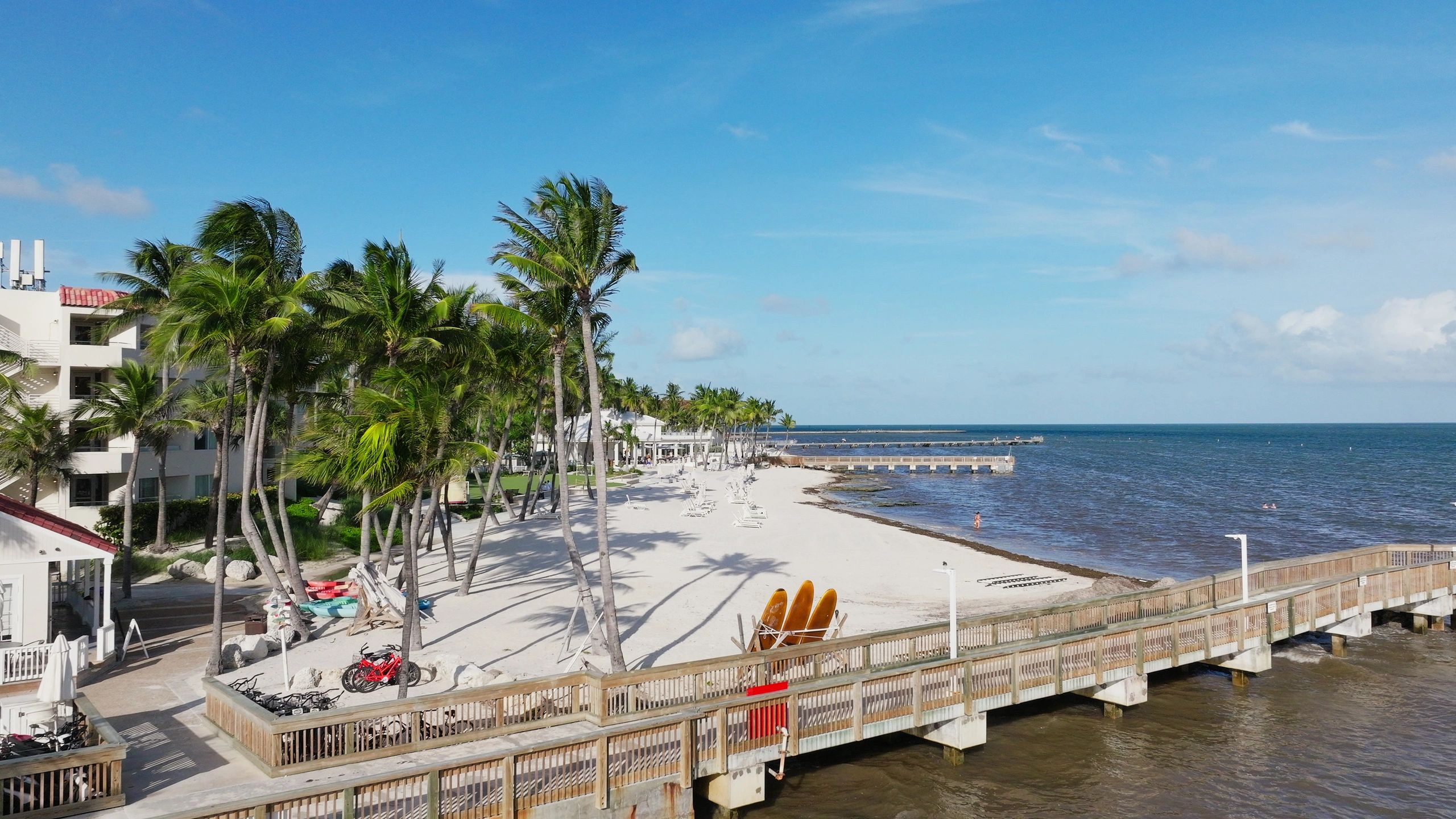
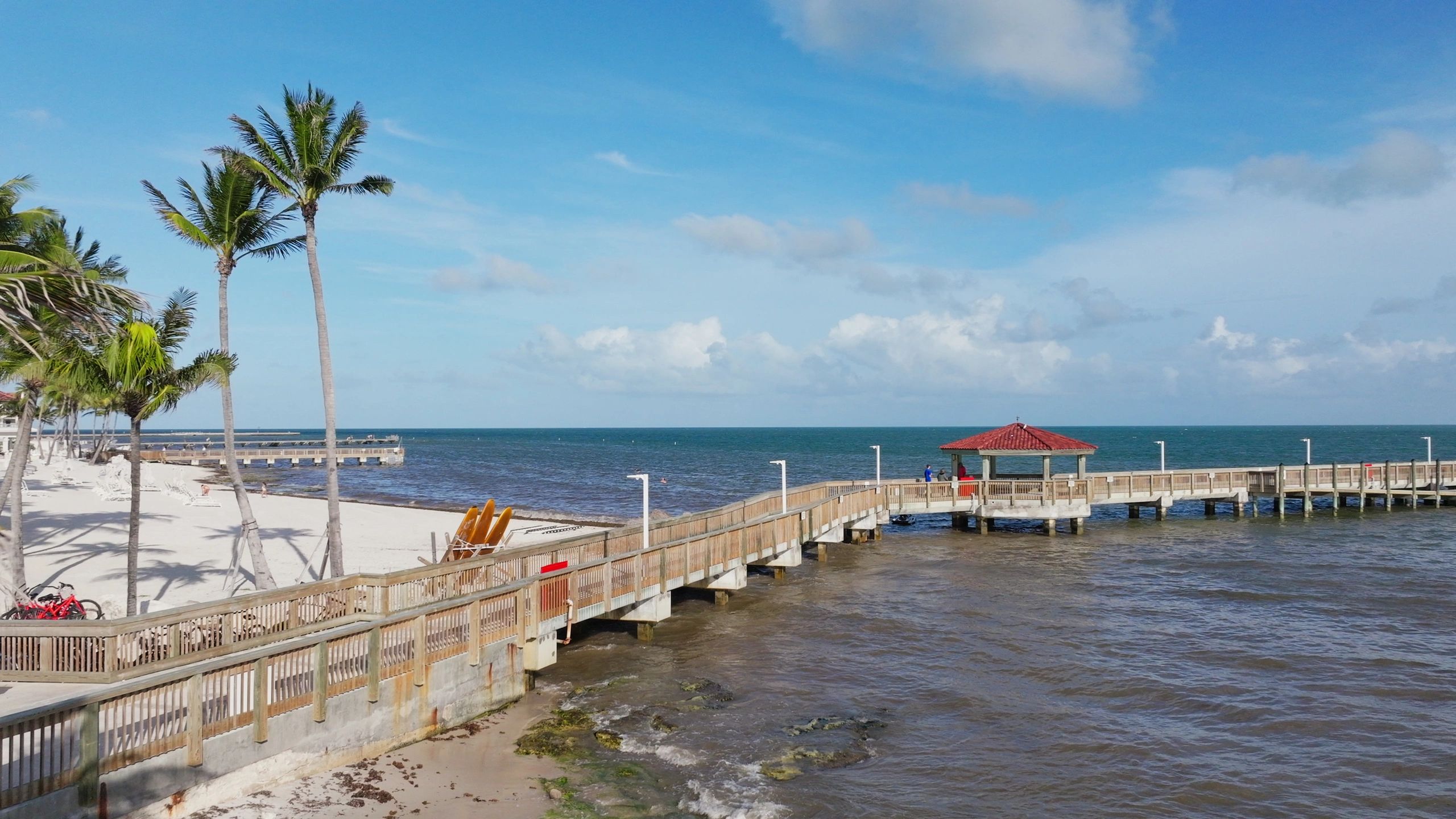
Key West sits at the far western end of the Florida Keys, closer in spirit to the Caribbean than to a typical mainland beach town. The island is compact, colorful, and easy to explore at a relaxed pace. Historic homes, shady lanes, marinas, museums, and open-water views are all close together, so a day can move naturally from a morning swim to a museum stop, a waterfront lunch, and a sunset gathering.
Its beaches are smaller and more intimate than the broad Atlantic strands found elsewhere in Florida, but the surrounding water is the real draw. Families can paddle calm shallows, book a snorkeling trip, watch boats come and go, or simply settle in beneath palms. Key West feels lively without losing its neighborhood scale, and the best visits leave room for a little wandering.
A SHORT HISTORY
From Cayo Hueso to Key West
The island’s story is shaped by the sea, migration, and a remarkable independent streak.
Long before it became a vacation favorite, Key West was known as Cayo Hueso, a Spanish name often translated as “Bone Key.” Indigenous peoples lived and traveled throughout the Keys long before European colonization, using the islands and surrounding waters as part of a wider maritime world. Spain claimed the region in the sixteenth century, and the island later passed through changing political hands before Florida became a United States territory in 1821. Its deep natural harbor and strategic location soon made Key West important far beyond its small size.
During the nineteenth century, Key West grew into one of Florida’s busiest ports. Wrecking, the legal salvage of cargo from ships that ran aground on nearby reefs, brought wealth to the island. Fishing, sponging, cigar making, and trade with Cuba and the Caribbean added to the economy. Bahamian settlers, Cuban families, New England merchants, and others shaped the island’s architecture, food, language, and traditions. The graceful wood-frame homes and gingerbread details seen in Old Town still reflect that layered history.
Key West also played a major military role. Fort Zachary Taylor was built to help protect the harbor, and the island served as a Union stronghold during the Civil War. Later, the U.S. Navy maintained a significant presence, reinforcing the city’s connection to the water and to national history. By the early twentieth century, Henry Flagler’s Overseas Railroad linked Key West to the mainland, an engineering achievement that made the island more accessible until the 1935 Labor Day hurricane destroyed much of the route.
The Overseas Highway eventually followed, bringing a new era of road-trip travelers. Writers, artists, sailors, and dreamers found their way here too. Ernest Hemingway lived in Key West during the 1930s, and his home remains one of the city’s best-known landmarks. Today, the island balances its historic character with a welcoming visitor culture. Walk Old Town, visit a fort or museum, and notice how closely the past remains woven into everyday life.
LOCAL FAVORITES
Build a Key West Day
Pair beach time with historic stops, open-water adventures, and an unhurried sunset.
Smathers Beach
For an easy beach morning, Smathers Beach is a popular choice. This long, sandy stretch along South Roosevelt Boulevard has shallow water, room to spread out, and convenient access to rentals and nearby services. Conditions vary with wind and season, so check the water before swimming, but it is a friendly starting point for families.
Duval Street
Duval Street runs through the heart of Old Town, connecting the Gulf side and Atlantic side of the island. Browse galleries and shops, pause for Key lime pie, and take in the mix of historic porches, tropical gardens, and street life. Go early for a calmer walk or later for a livelier atmosphere.
Fort Zachary Taylor
Fort Zachary Taylor Historic State Park combines a Civil War-era fort with one of Key West’s favorite swimming and snorkeling areas. Bring water shoes for the rocky shoreline and allow time for both the historic grounds and the water. It is a satisfying choice for visitors who want nature and history in one stop.
Hemingway Home
The Ernest Hemingway Home and Museum offers a look at one of the island’s most famous residents. The lush property, historic rooms, and celebrated six-toed cats make it an engaging stop even for visitors who have not read his work. It is especially convenient to pair with a walk through the surrounding Old Town streets.
Snorkel and Sail
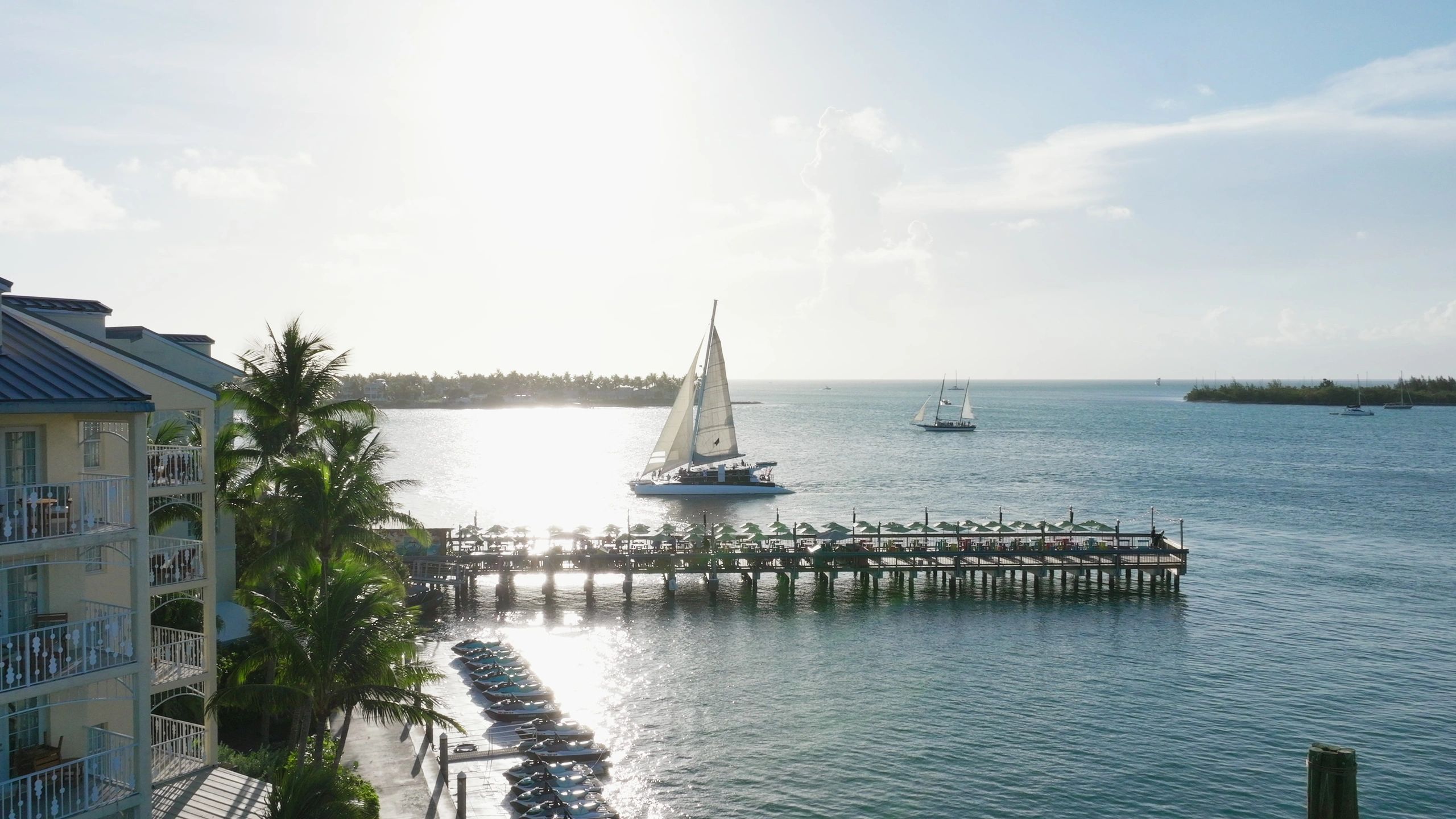
Key West is a natural launch point for reef snorkeling, sailing, kayaking, and sunset cruises. Choose an operator that matches your group’s comfort level, listen closely to safety briefings, and use reef-safe sun protection. A few hours on the water reveals why the Keys are treasured for their clear horizons and marine life.
Mallory Square
As evening approaches, Mallory Square becomes a classic place to watch the sun drop toward the Gulf. Street performers, vendors, and visitors gather for a festive waterfront ritual. It can be busy, so arrive with patience and enjoy the shared sense of occasion rather than rushing through it.
ANNUAL EVENTS
A Calendar With Character
Key West has a full annual calendar, and event dates, locations, and programming can change from year to year. Winter often brings the Key West Food and Wine Festival, a multi-day celebration of local flavors, tastings, and island dining. Spring visitors may find the Conch Republic Independence Celebration, a playful tribute to the island’s independent spirit with parades, parties, and waterfront fun. The annual Key West Songwriters Festival also draws musicians and fans for intimate performances across town.
Summer and fall bring more reasons to visit, including Hemingway Days, which celebrates the writer’s Key West connection with literary events and the famous Hemingway look-alike contest. In October, Fantasy Fest fills the island with costumes, art, parades, and high-energy nightlife; families should review individual events and schedules to choose the right fit. December’s Holiday Fest brings lights, seasonal tours, and a warm-weather take on holiday traditions. For any trip built around an event, reserve lodging early and confirm details with official organizers before you go.
- Check official event calendars before making travel plans.
- Book rooms and tours early for major festival weekends.
- Use bikes, walking routes, or local transit when streets are busy.
- Build in beach and water time between scheduled events.
Why Key West Feels Different
Key West works because it offers more than a beach break. You can swim in warm water, explore a historic fort, step inside a writer’s home, sail toward the sunset, and still be back on a porch-lined street in time for dinner. The island’s history is visible, its water is always nearby, and its pace invites visitors to choose a few meaningful experiences instead of trying to do everything at once.
Whether you arrive by road, plane, or boat, leave room to slow down. A quiet morning at the beach, a bike ride through Old Town, a slice of Key lime pie, and a glowing Gulf sunset can be enough to explain why this small island city stays so memorable.